The Surprising Use of Atomic Oxygen to Repair One of Warhol’s Iconic Works
NASA Technology Meets the Art World: How Space Innovations Are Now Restoring Andy Warhol
Imagine a piece of high-tech engineering designed to protect spacecraft in low Earth orbit. Now imagine that same technology helping conservators restore an Andy Warhol painting. It sounds like a surreal crossover, but it’s real. A cleaning method based on atomic oxygen, originally studied for space materials, has been used to remove stubborn organic contamination from contemporary artworks.
The Warhol incident: when damage becomes (unwanted) intervention
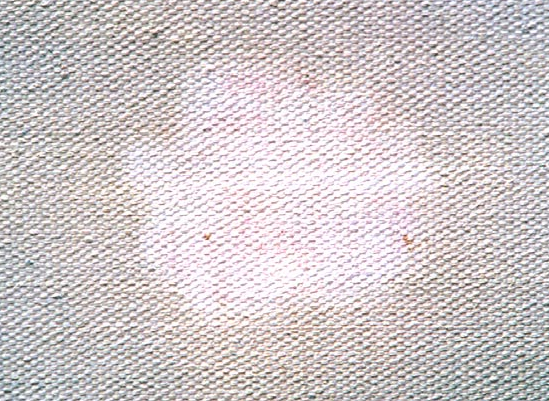
The case that made headlines is both banal and terrifying for museums: a Warhol work was defaced by lipstick. Traditional removal methods risked pushing oils and pigments deeper into the porous paint layers, turning a localized mark into a permanent pink haze. When standard conservation approaches stalled, an unconventional solution arrived from aerospace research.
What is atomic oxygen, and why does it work?
Atomic oxygen is a highly reactive form of oxygen common in the upper atmosphere and low Earth orbit. Because it reacts readily with carbon-based compounds, it can break down organic contaminants such as oils, residues, and certain grime layers. In conservation terms, the appeal is precision. The treatment can target the unwanted material while minimizing mechanical contact with fragile surfaces.
From spacecraft testing to museum conservation
NASA’s interest in atomic oxygen originally came from a space problem: in low Earth orbit, atomic oxygen can erode or alter materials on spacecraft exteriors. That research produced tools and knowledge. These later proved unexpectedly useful in the opposite direction. Controlled exposure can remove organic matter rather than damage the underlying substrate.
In the Warhol case, atomic oxygen was applied carefully to eliminate the lipstick contamination. This was done without resorting to aggressive solvents or abrasive action. The result was not only the removal of the mark but a demonstration that “space environment” chemistry can be re-engineered into a conservation instrument.
MOXY: a new generation of oxygen-based, non-contact cleaning
More recently, the European Horizon project MOXY has been developing a conservation-oriented system inspired by this NASA legacy. It aims for greener and more sustainable treatments. The ambition is to produce atomic oxygen at low temperature and atmospheric pressure through plasma-based methods. This enables non-contact cleaning designed specifically for sensitive cultural heritage materials.
If successful at scale, this approach could expand treatment options for contemporary and modern works that are notoriously difficult to clean. These include unvarnished acrylics, matte paints, vulnerable monochromes, and surfaces where water, solvents, or swabs can cause irreversible change.
Why this matters for contemporary art
Warhol built an empire of meaning out of the everyday. There’s a sharp irony in the fact that a casual human gesture (a lipstick kiss) became the threat, and an “alien” chemistry from the edge of Earth’s atmosphere became the rescue. But beyond the poetry, the significance is practical. Conservation is increasingly about materials that don’t behave like old-master oil paintings. Contemporary surfaces can be soft, porous, unvarnished, and chemically unstable.
Atomic oxygen-based methods offer a potential path forward: a treatment that is targeted, contactless, and aligned with the push toward solvent-free, low-impact conservation.
Limits, risks, and the ethics of cleaning
No conservation technology is magic. Any powerful chemical process demands careful testing, controlled parameters, and ethical judgment. What counts as “dirt”? What counts as “history”? And what risks are acceptable to recover an intended appearance? The promise of atomic oxygen is not that it replaces human expertise, but that it adds a new tool where traditional options can fail.
The bigger question
This story opens a wider horizon. How many other space-age technologies are sitting quietly in laboratories, waiting to be translated into cultural care? When engineering crosses into conservation, museums don’t just preserve objects. They preserve the future’s ability to see, study, and argue with the past.


