Spatialism: The Movement That Succeeded by Failing as a Style
Spatialism Has a Fontana Problem Lucio Fontana was the greatest artist to emerge from Spatialism. He may also be the
Read MoreContemporary Art Criticism, Interviews, Essays and Visual Politics
Contemporary Art Movements explores how art has changed from the late twentieth century to today. This section looks at the evolution of ideas, aesthetics and cultural tensions that shaped the global art scene. It examines the movements that emerged after modernism and postmodernism and how artists used new languages to rethink art, power and identity.
Here, contemporary art is not just visual decoration. It becomes a space of conflict, imagination and responsibility. The focus is on movements linked to feminism, queer culture, environmental activism, body politics and socially engaged practices. These artistic languages question authority, gender rules, capitalism, colonial heritage and the fragile relationship between individuals and society.
The aim of this category is to offer context, clarity and critical reflection. Each article helps readers understand how artistic movements are born, how they develop and why they still matter. By connecting past and present, this space shows how contemporary art movements continue to reshape aesthetics, redefine the role of artists and change the way we think about the world.
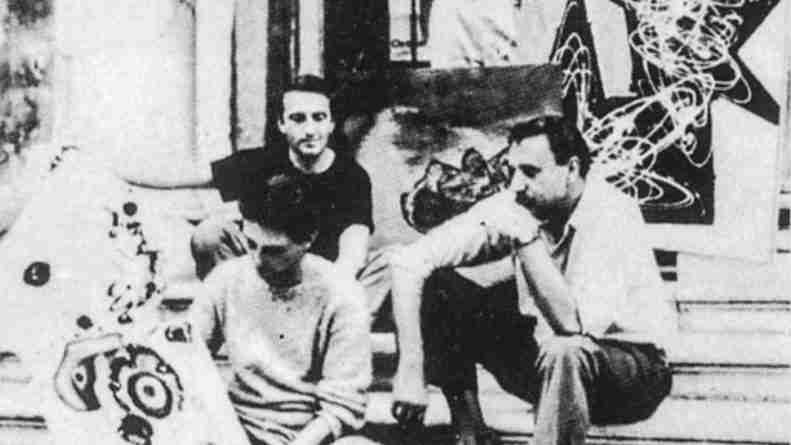 Gianni Dova with Roberto Crippa, Tancredi Parmeggiani and Carlo Cardazzo, 1952. Courtesy Gianni Dova Archive.
 Spatialism Has a Fontana Problem Lucio Fontana was the greatest artist to emerge from Spatialism. He may also be the
Read More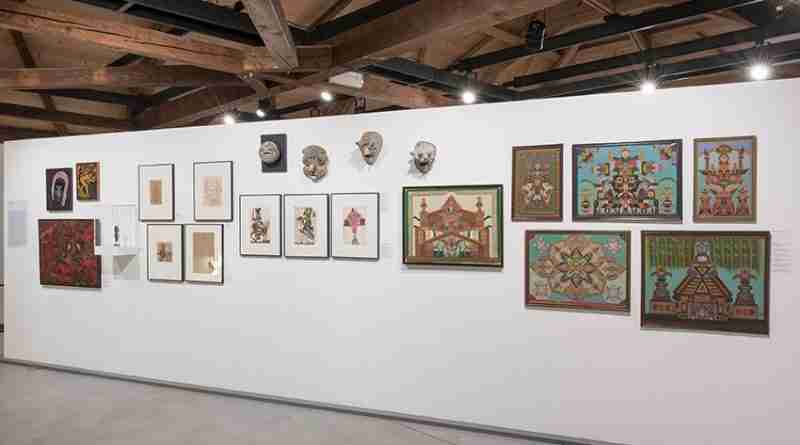 Installation view, L’Art Brut de Jean Dubuffet, aux origines de la collection, Collection de l’Art Brut, Lausanne. Courtesy of Collection de l’Art Brut.
 Modern art searched hospitals, streets and social margins for images the academy could no longer create. Art Brut reveals who still has the power to name the outsider.
Read More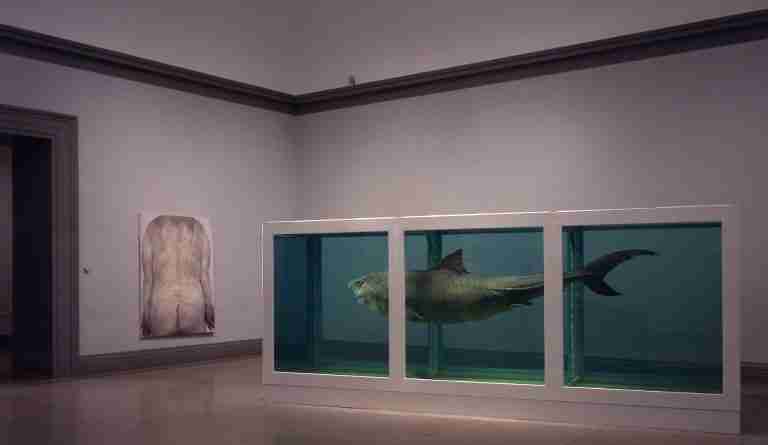 Young British Artists from the Saatchi Collection, Brooklyn Museum, 1999–2000. Photo Brooklyn Museum, via Wikimedia Commons.
 Young British Artists: shock was only the surface The Young British Artists, usually shortened to YBAs, were not a movement
Read More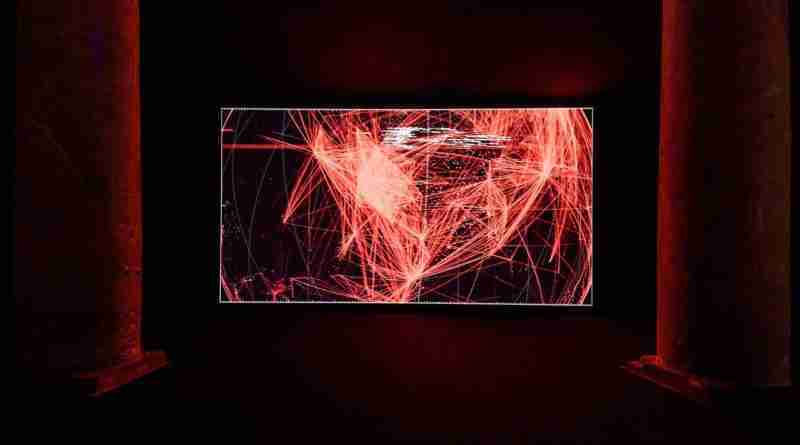 Ryoji Ikeda, data-verse, video still, Venice Biennale 2026.
 At the Venice Biennale, data entered the body Ryoji Ikeda’s data-verse 1 did not behave like an image at the
Read More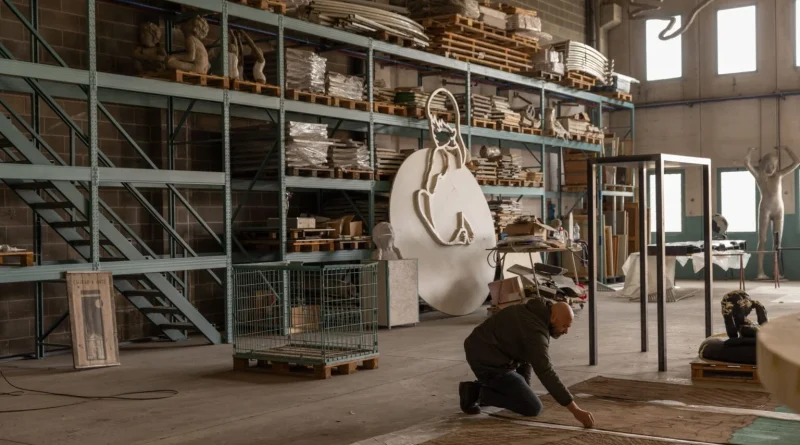 Valerio Berruti in the studio. Ph Letizia Cigliutti
 Link to the Italian version on Artribune Before The Carousel sets off for New York, a visit to Valerio Berruti’s
Read More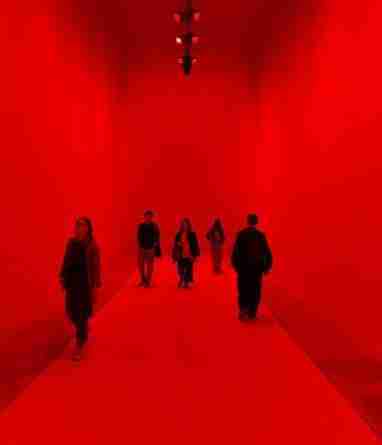 Alfredo Jaar, The End of the World, installation view, Venice Biennale 2026.
 At the end of the red corridor, almost nothing waits At Venice Biennale 2026, Alfredo Jaar does something almost cruel.
Read More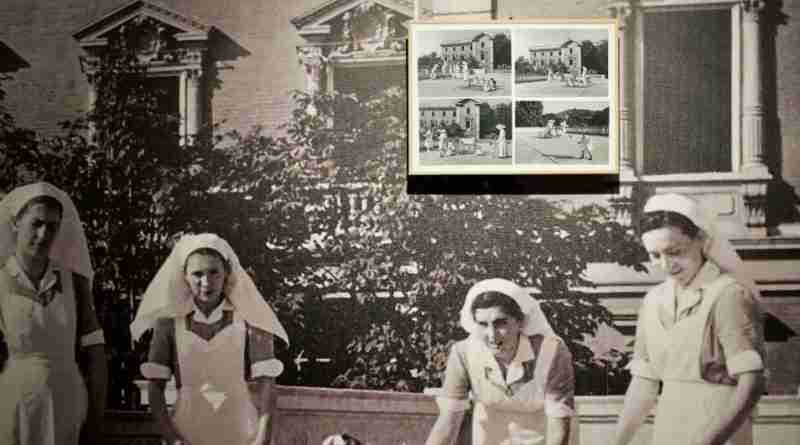 Una vita migliore. Fragments of Stories from the Provincial Institute for Childhood of Turin, Courtesy of Flashback Habitat.
 At Flashback Habitat in Turin, Alessandro Bulgini does not reopen a former childhood institute as a neutral exhibition space. He
Read More Artissima
 In Turin, Artissima 2026 does not try to compete with the spectacle of the biggest global fairs. It asks a
Read More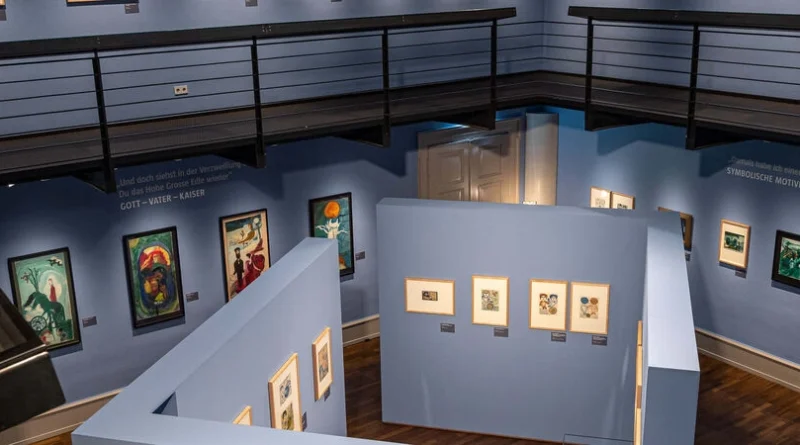 Prinzhorn Collection View
 Prinzhorn Collection beyond “mad art”: Thomas Röske and the crisis of the museum gaze 25 Years Museum Prinzhorn Collection, 28
Read More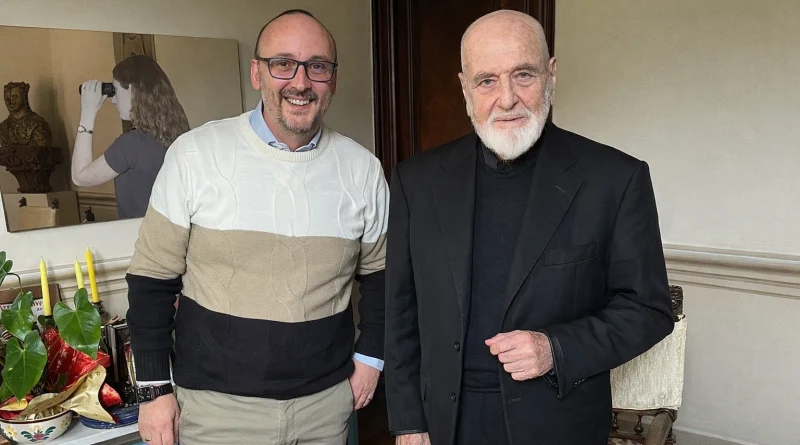 Michelangelo Pistoletto with Antonino La Vela, with a mirror painting in the background.
 On the day of his 93rd birthday, Michelangelo Pistoletto speaks about truth, ego, the Third Paradise and demopraxy, reminding us
Read More