Social Media Censorship of Artistic Nudity: The Algorithm Has No Culture
From Michelangelo’s Fig Leaf to Instagram: How We Automated the Censorship of the Body We did not abolish the fig
Read MoreContemporary Art Criticism, Interviews, Essays and Visual Politics
Start here:
Art Criticism & Essays is the core of my long-form writing on contemporary art. This category brings together critical essays, close readings, investigations, and personal reflections. The focus is not only on what an artwork represents, but on what it does within culture, institutions, politics, and public life.
Some texts begin with a single artwork or exhibition. Others examine wider systems of power, visibility, money, memory, gender, ecology, and cultural responsibility. I also look at the structures that decide which artists enter museums, markets, media, and art history.
These essays combine research with a clear point of view. I use sources, direct encounters, interviews, exhibitions, and documents when they are relevant. However, I do not treat criticism as a neutral summary. I am interested in the questions that remain open, the contradictions that institutions often hide, and the distance between what art claims and what it produces.
The recurring question is simple: how can art still create meaning and consequence in a culture dominated by spectacle, branding, speed, and constant visibility?
About the author: Learn more about my work as an artist and writer on the Antonino La Vela profile page.
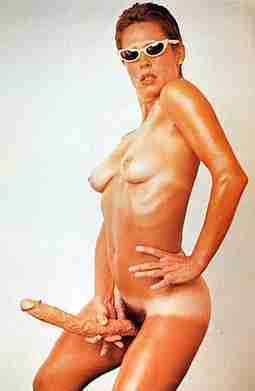 Lynda Benglis in her advertisement (November 1974)
 From Michelangelo’s Fig Leaf to Instagram: How We Automated the Censorship of the Body We did not abolish the fig
Read More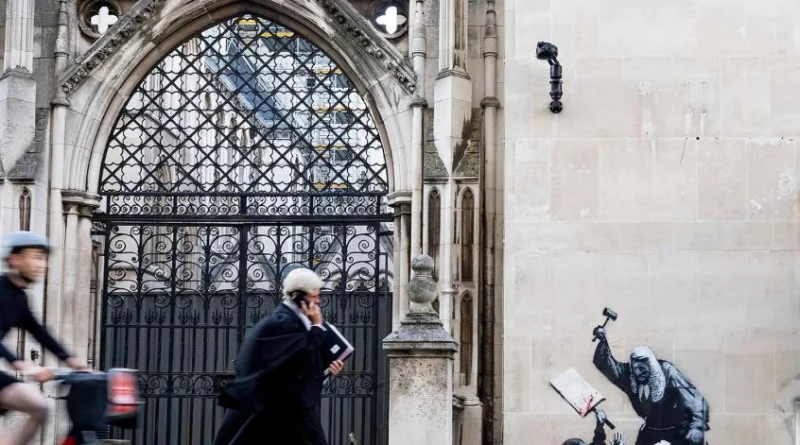 Banksy’s mural with the Royal Courts of Justice visible in the background, London, 2026. The setting is integral to the work, placing Banksy’s intervention in direct dialogue with the physical and symbolic architecture of British justice. Photo: ARTnews Japan.
 When an Illegal Artwork Becomes Part of the History of the Wall Britain has spent more than £85,000 dealing with
Read More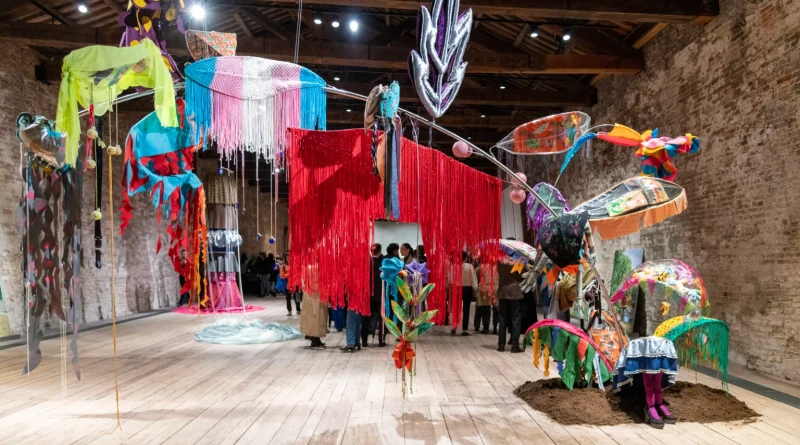 Turkey Pavilion, Biennale 2026. Photo: Irene Fanizza
 Başak Doğa Temür on the Turkey Pavilion With A Kiss on the Eyes, Nilbar Güreş brings to Biennale Arte 2026
Read More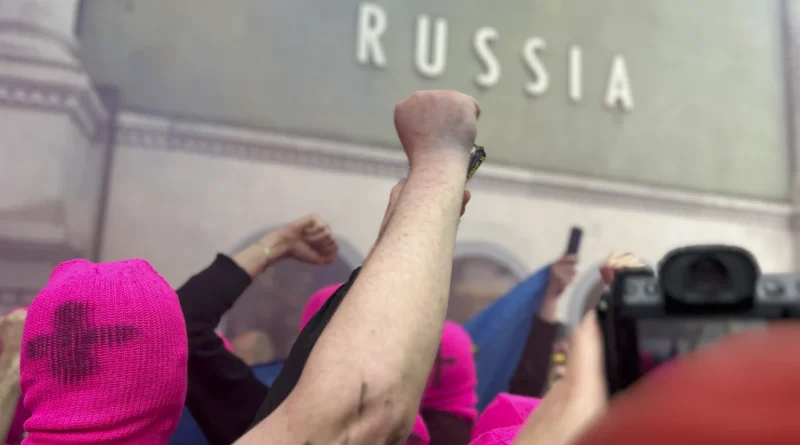 Pussy Riot at Biennale in Venice 2026
 The dissident collective led by Nadya Tolokonnikova said they had repeatedly attempted to open a dialogue with Pietrangelo Buttafuoco in
Read More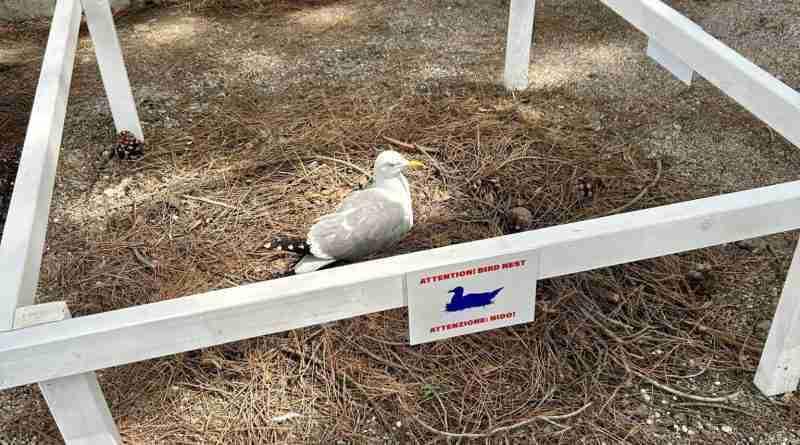 Biennale Pavilion of Nature
 Amid protests against the Russian Pavilion, tensions surrounding Israel’s participation, and pro-Palestinian demonstrations, two seagulls sitting on their eggs in
Read More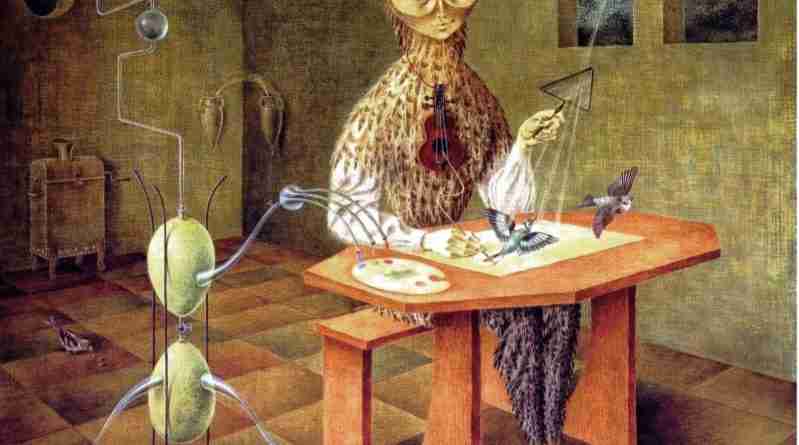 Remedios Varo - Creation of the Birds
 A Life Between Worlds Remedios Varo (1908–1963) lived between geographies and disciplines, moving from Spain to France and finally to
Read More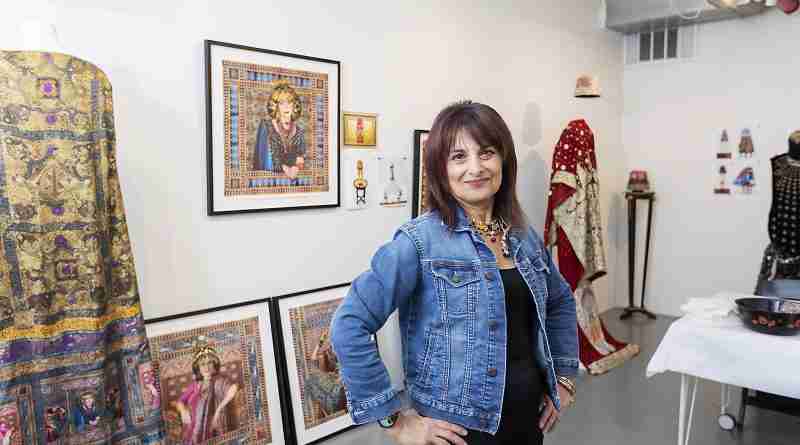 Camille Eskell (Photo courtesy of the artist)
 Family, patriarchy, and diaspora compressed into a single trembling cap There are artists who work mainly with material, and artists
Read More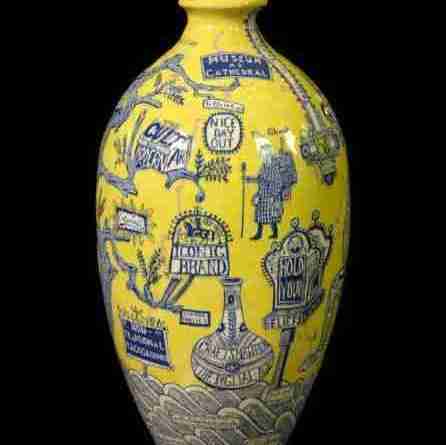
Grayson Perry: The Provocative Tapestries of Identity, Class & Excess Introduction: “I am an idiot” and the Art of Self-Refusal
Read More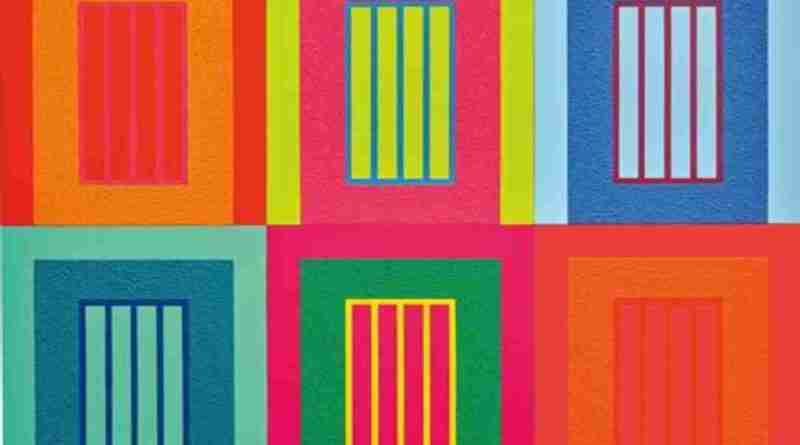 Peter Halley, Six Prisons (2009) — cell & conduit series, geometric abstraction
 From Boxes to Bursts: My Journey into Halley’s Abstract World When I first encountered a Peter Halley painting,
Read More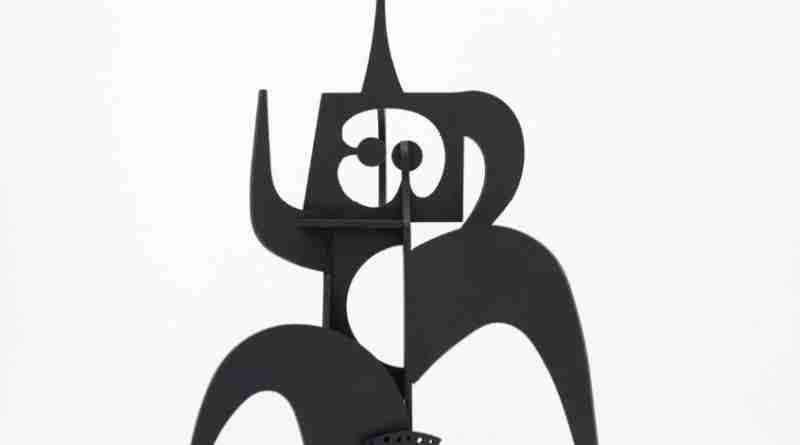 Philippe Hiquily - MARATHONIENNE
 How welded metal, biomorphic forms, and kinetic balance converse with mass media culture Philippe Hiquily approached sculpture as a living
Read More