When Spain Carried Pepe Espaliú in Its Arms
If you’re new to this wider project, start here: LGBTQ+ Art: From Classical to Contemporary. You can also browse the
Read MoreContemporary Art Criticism, Interviews, Essays and Visual Politics
Start here: Performance Art: History, Innovators, and Impact
Performance Art is where art leaves the safety of the object and enters time, space, risk, and human presence. The body is not only represented. It becomes material, evidence, conflict, and sometimes a real site of vulnerability.
This category brings together historical guides, critical essays, artist profiles, interviews, and first-hand reports. The articles explore endurance, ritual, participation, identity, gender, political action, and the unstable relationship between artist and audience.
A performance may take place in a museum, a street, a private room, or a public protest. It may involve silence, repetition, pain, movement, exposure, or collective action. In each case, the work depends on what happens between bodies and on what cannot be repeated in exactly the same way.
I am interested in what performance does, not only in what it represents. Who controls the scene? What responsibility belongs to the audience? When does participation become complicity? Can the body resist political and institutional power, or does the art system turn that resistance into another image?
These questions connect historic figures such as Marina Abramović, Joseph Beuys, Yoko Ono, and Vito Acconci with contemporary practices shaped by feminist, queer, trans, activist, and decolonial perspectives.
Related: Continue through Conceptual Art, Installation Art, Feminist Art, and Queer & LGBTQ+ Art.
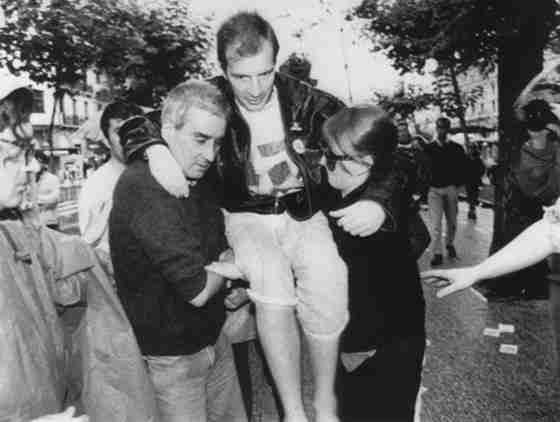 Pepe Espaliú, *Carrying*, Madrid, 1992. In the performance, the Spanish artist was carried through the streets of the city in the arms of others, turning his vulnerable body into an image of care, dependence, and solidarity during the AIDS crisis. Source: "VICE2.
 If you’re new to this wider project, start here: LGBTQ+ Art: From Classical to Contemporary. You can also browse the
Read More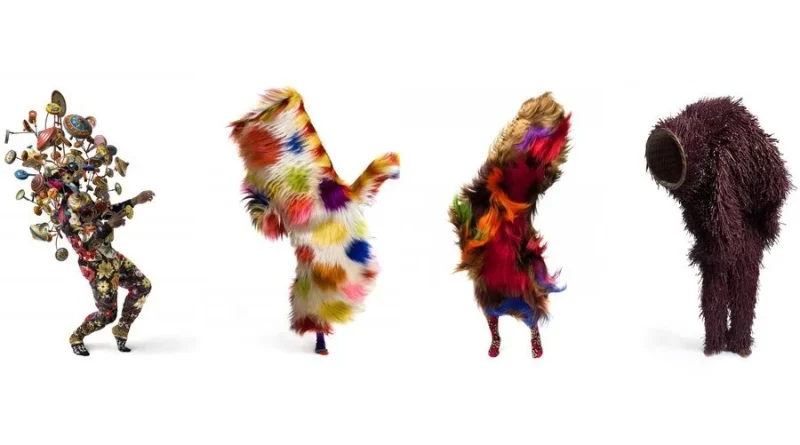 Nick Cave - Soundsuit
 Before they became spectacular, Nick Cave’s Soundsuits were already something darker: a body trying to survive the violence of being
Read More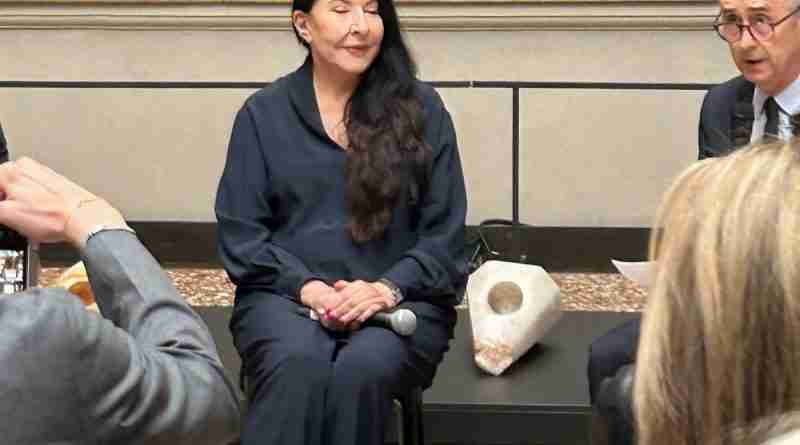 MArina Abramović preview Venice
 At the Gallerie dell’Accademia in Venice, Marina Abramović’s exhibition Transforming Energy turns presence, attention, and belief into the real field
Read More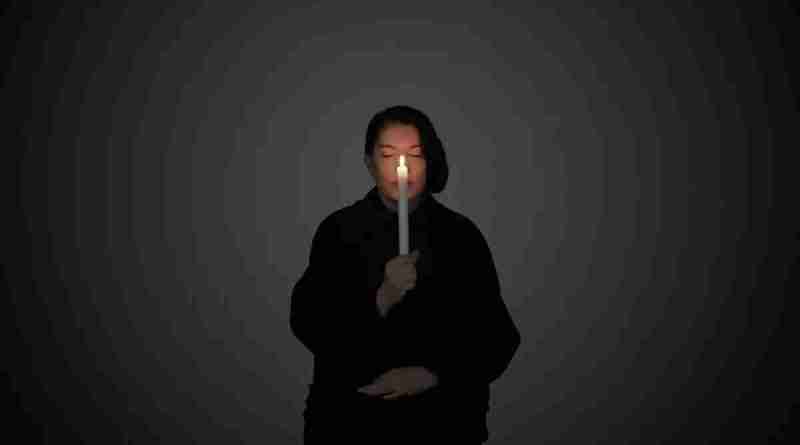 Marina Abramović - Artist Portrait with a Candle, 2012
 The Artist Is Present… and So Are We Marina Abramović (born 1946, Belgrade) transformed performance art from marginal experiment into
Read More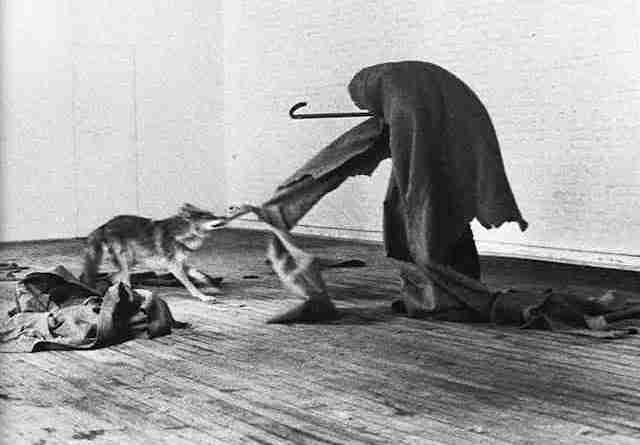 Joseph Beuys - I Like America and America Likes Me (1974)
 The Alchemist of Social Sculpture Few artists have redefined the boundaries between art, life, and politics as profoundly as Joseph
Read More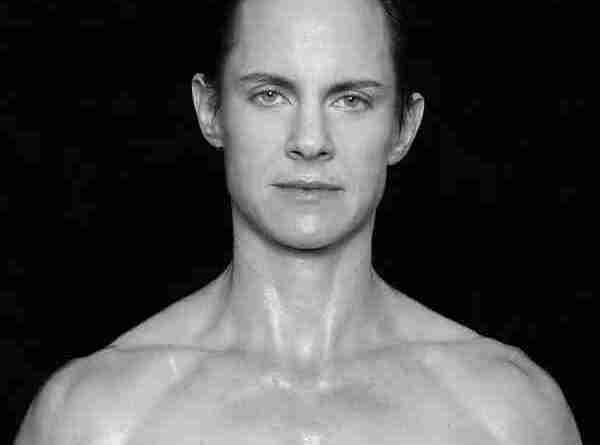 Cassils portrait
 The Body as Battlefield, the Body as Monument In a contemporary art world saturated with images, Cassils stands out not
Read More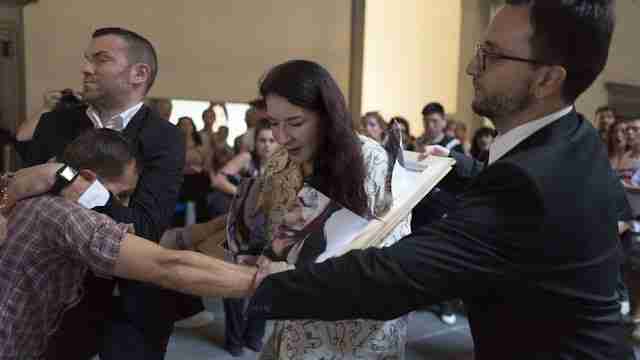 Vaclav Pisvejc and Marina Abramović in Florence
 When a Moment of Violence Became a Powerful Symbol of Human Connection In a dramatic moment in Florence, a man
Read More Abstract
 Contemporary art; identity, boundaries, and the problem of defining a moving target Contemporary art, a term that generally refers to
Read More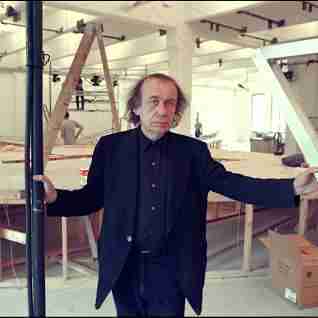 Vito Acconci
 Vito Acconci: Blurring Boundaries in Performance, Installation, and Video Art Vito Acconci was a pioneering artist whose work in performance,
Read More Marina Abramović (portrait).
 Marina Abramović: Pioneer of Performance Art (Key Works and Legacy) Marina Abramović is widely recognized as a pioneer of performance
Read More