Camille Claudel and the Invisible Brilliance of Women in Art
The Unfinished Battle for Women’s Recognition in Art A journey through silence, erasure, and the urgent work of remembering. For
Read MoreContemporary Art Criticism, Interviews, Essays and Visual Politics
Modern Art traces the radical changes that transformed art from the late nineteenth century to the second half of the twentieth century. Artists challenged academic rules, traditional perspective, realistic representation, and established ideas of beauty. Painting, sculpture, photography, collage, and new forms of experimentation became tools for rethinking how the modern world could be seen.
This category explores the artists, movements, exhibitions, and ideas that shaped Modern Art. It includes Impressionism, Expressionism, Cubism, Futurism, Dada, Surrealism, Constructivism, Abstract Art, and other avant-garde practices. These movements did not follow a single direction. Instead, they responded to industrialisation, war, political conflict, psychoanalysis, mass media, and rapid social change.
Modern artists did more than introduce new styles. They questioned the role of art, the authority of museums, and the relationship between images and reality. Some rejected representation. Others transformed the body, landscape, objects, and everyday life into unstable or symbolic forms.
The articles collected here examine both famous figures and less visible histories. They consider how Modern Art was built, who entered its canon, and which artists were excluded or rediscovered later. They also explore the influence of gender, politics, colonialism, technology, and cultural exchange.
Modern Art remains essential for understanding contemporary practice. Many debates that appear current began during this period: abstraction versus representation, art and activism, originality, authorship, institutional power, and the use of new media.
This category brings together critical essays, artist profiles, exhibition reviews, and historical studies. It follows the experiments that changed visual culture and still shape how art is produced, displayed, valued, and remembered.
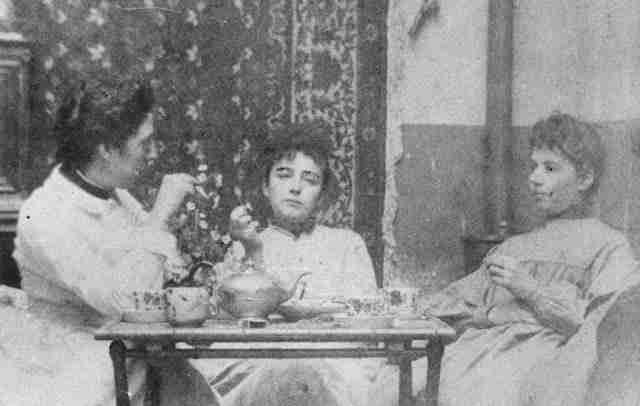 Camille Claudel with Amy Singer and Jessie Lipscomb
 The Unfinished Battle for Women’s Recognition in Art A journey through silence, erasure, and the urgent work of remembering. For
Read More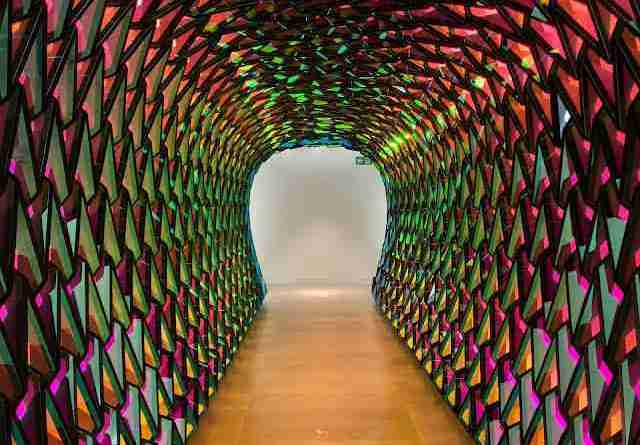 Olafur Eliasson — Tunnel for unfolding time
 Transforming Perception Through Art and Ecology Art has the power to transport us, to change the way we see the
Read More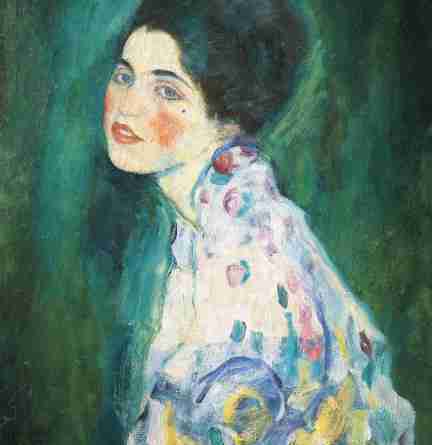 Gustav Klimt — Portrait of a Lady
 The Astonishing Rediscovery of Klimt’s “Portrait of a Lady” A Story of Loss, Mystery, and the Enduring Power of Art
Read More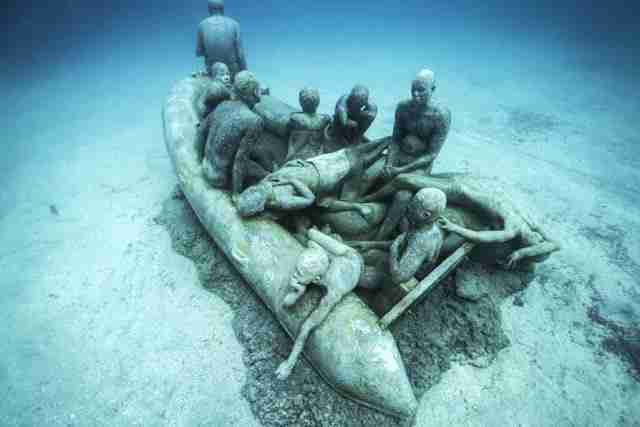 Jason deCaires - The Raft of Lampedusa
 How Jason deCaires Taylor Turned Art into an Underwater Ecosystem When sculpture becomes reef-building: a collaboration between human form and
Read More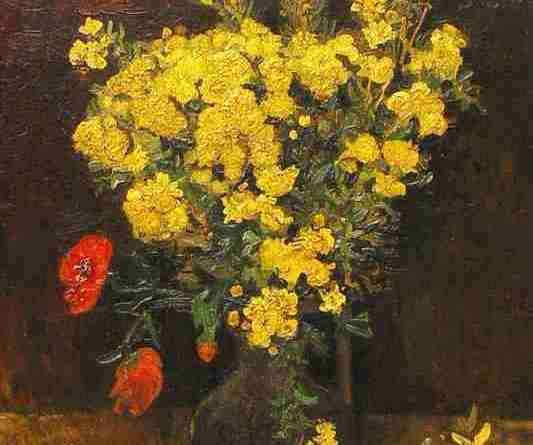 Vincent Van Gogh - Poppy Flowers
 A Tale of Beauty, Theft, and Mystery There are paintings that draw attention because of their beauty, and then there
Read More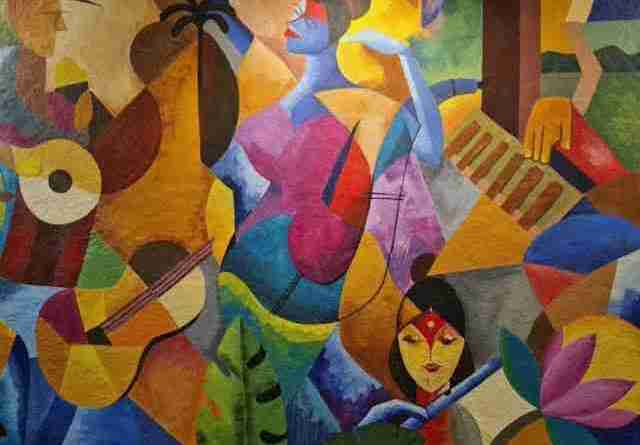 Physical materials and digital environments: a long-running tension in contemporary art.
 Physical Materials vs. Digital Data in Contemporary Art In contemporary art, a clear split keeps growing: artists either work with
Read More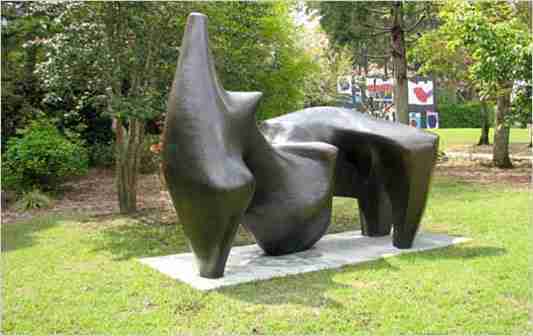
Or: Why Security Guards Should Probably Look Twice at That Crane Truck The Theft In a scene almost too surreal
Read More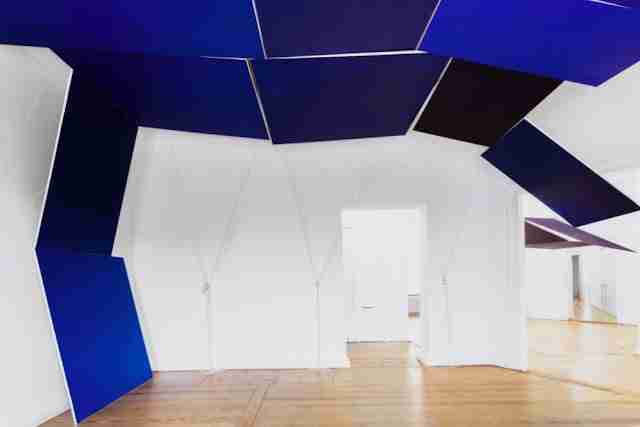
How Art, Technology, and Global Forces Are Redefining Creativity As art steps into the digital frontier, social media is becoming
Read More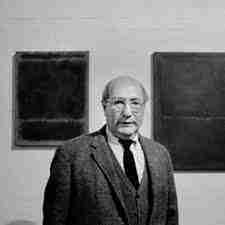
Mark Rothko: A Journey Through Color, Form, and Emotion How abstract painting becomes an immersive space for introspection Mark Rothko,
Read More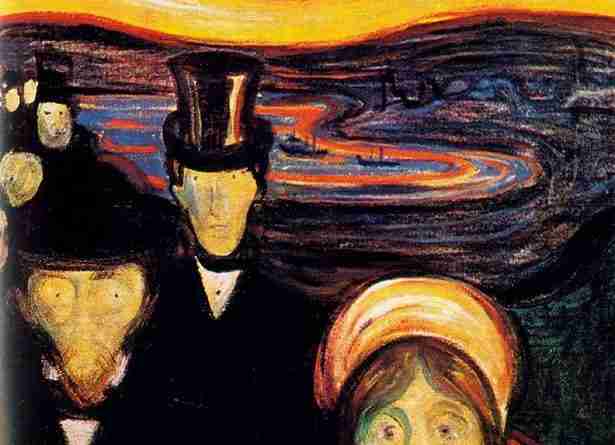 Anxiety - Munch
 Confronting the Abyss: Edvard Munch’s Anxiety and the Universality of Fear When I first encountered Edvard Munch’s painting Anxiety (1894),
Read More