Young British Artists: Shock, Branding and the Art Market’s Perfect Rebellion
Young British Artists: shock was only the surface The Young British Artists, usually shortened to YBAs, were not a movement
Read MoreContemporary Art Criticism, Interviews, Essays and Visual Politics
Start here: Installation Art: History, Artists, and Immersive Environments
Installation Art transforms space into part of the artwork. Instead of placing an isolated object in front of the viewer, an installation can occupy a room, a building, a landscape, or a public site. Architecture, light, sound, objects, images, technology, and the viewer’s body can all become active elements of the work.
This category brings together guides, interviews, artist profiles, and critical essays on immersive, environmental, political, and site-specific installations. It explores how artists change the way we move through a space, notice its history, and understand our position inside it.
Some installations create intense sensory environments. Others use ordinary materials to address conflict, power, memory, displacement, or ecological damage. The scale can be monumental, but size alone does not produce meaning. A work can transform perception through a small room, a temporary intervention, a change in light, or an object placed where it does not belong.
I am interested in what happens when art stops being something we simply look at. Installation Art can surround the viewer, interrupt a public space, respond to a specific landscape, or reveal relationships that a traditional display might keep separate.
These articles examine how installations use space, materials, participation, and duration. They also ask a direct question: does the work merely create an impressive environment, or does it change how we understand the place, issue, or experience it contains?
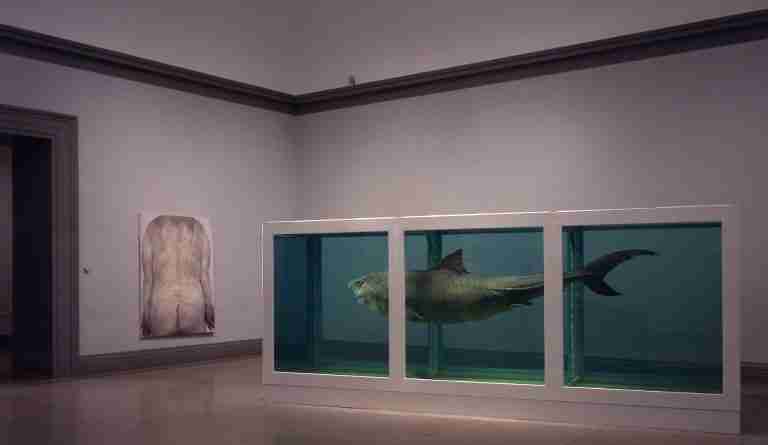 Young British Artists from the Saatchi Collection, Brooklyn Museum, 1999–2000. Photo Brooklyn Museum, via Wikimedia Commons.
 Young British Artists: shock was only the surface The Young British Artists, usually shortened to YBAs, were not a movement
Read More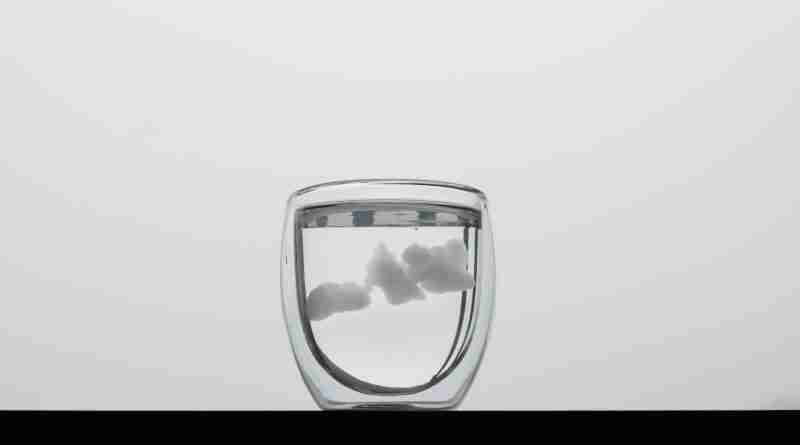 AKI INOMATA - Thinking of Yesterday’s Sky - Nagi town(Okayama), 1st November 2022
 From hermit crabs to clouds generated inside a glass of water; a conversation with the Japanese artist who uses biology,
Read More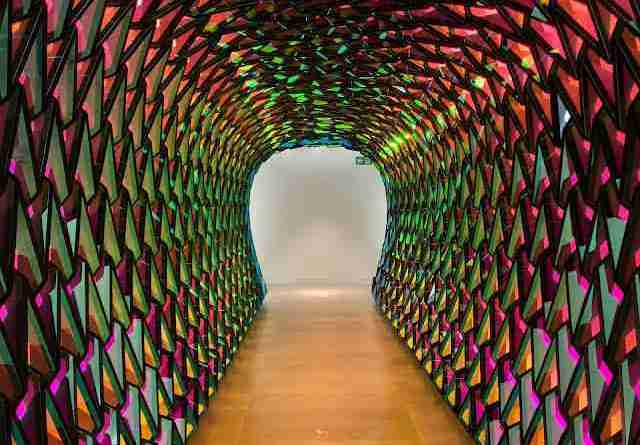 Olafur Eliasson — Tunnel for unfolding time
 Transforming Perception Through Art and Ecology Art has the power to transport us, to change the way we see the
Read More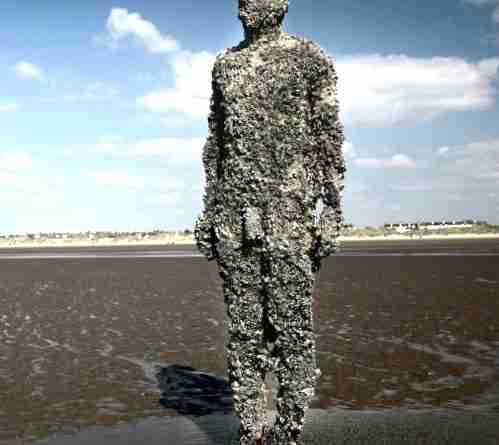 Antony Gormley — Another Place (view 4)
 The Ever-Changing Art of Humanity and Nature in Harmony Public art often enters into dialogue with its surroundings, but few
Read More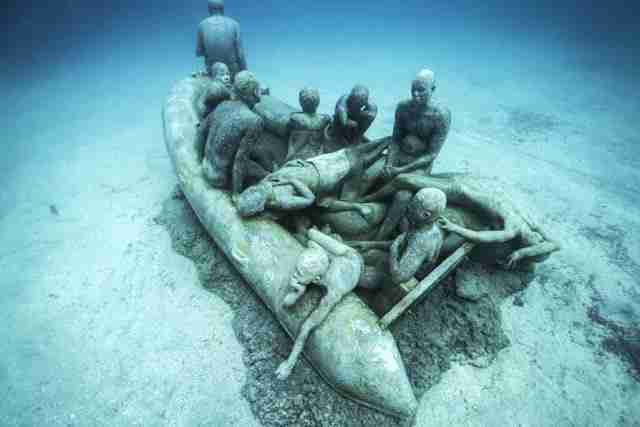 Jason deCaires - The Raft of Lampedusa
 How Jason deCaires Taylor Turned Art into an Underwater Ecosystem When sculpture becomes reef-building: a collaboration between human form and
Read More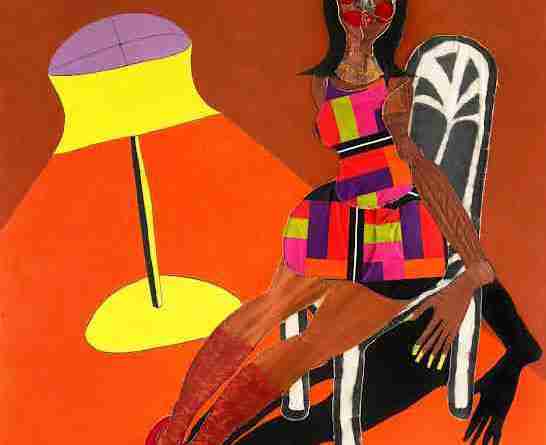 Tschabalala Self, All Night
 Tschabalala Self: Celebrating the Black Female Body Through Mixed Media Tschabalala Self is a dynamic force in contemporary art, known
Read More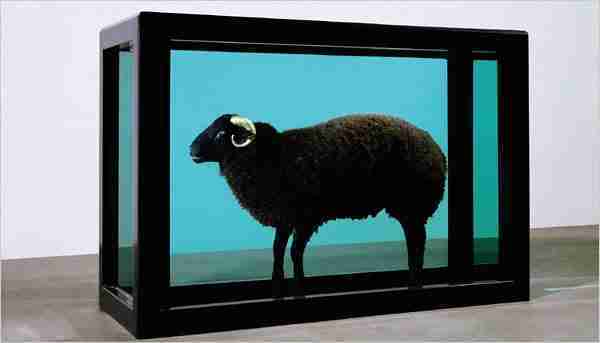 Damien Hirst - Black Sheep with Golden Horns
 The Power of Art Interventions: How Artists Disrupt Spaces and Engage the Public Art interventions are unexpected creative actions that
Read More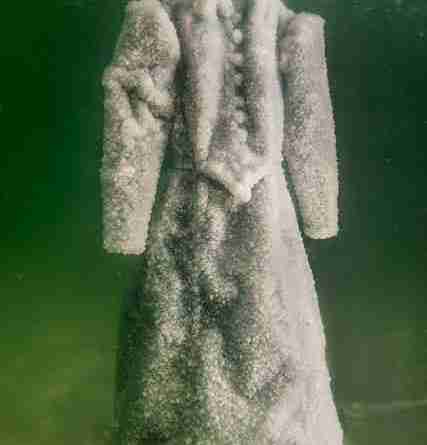 Sigalit Landau - Salt Bride sculpture
 How Sigalit Landau’s Sculptures and Installations Bridge the Past, the Sea, and the Human Experience Sigalit Landau, an Israeli artist
Read More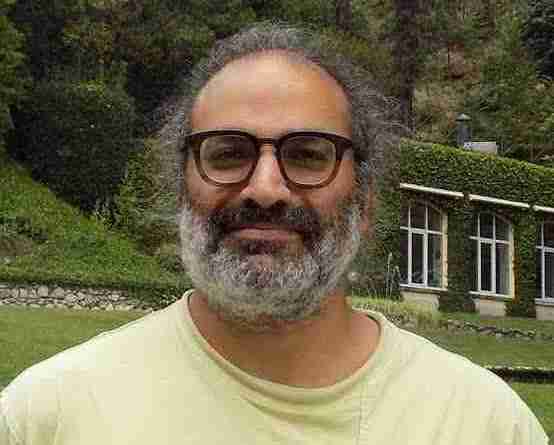 Yazan Khalili
 How Yazan Khalili’s Photography and Installations Challenge the Notions of History, Space, and Identity Yazan Khalili is a Palestinian artist
Read More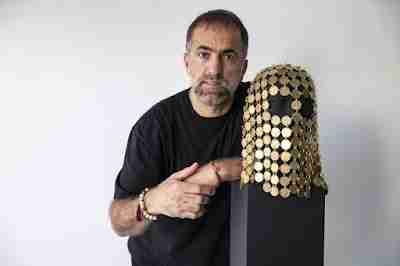 Khaled Jarrar - Shekel
 How Khaled Jarrar Challenges Boundaries Through Sculpture, Film, and Performance Art Khaled Jarrar, a multidisciplinary artist from Palestine, has made
Read More