Orange is the Power: A Monument to Absurdity
A satirical portrait in bronzer-orange, where ego, costume, and empty slogans replace identity. Then I made it… ahahah. I love
Read MoreContemporary Art Criticism, Interviews, Essays and Visual Politics
Institutional Critique emerged in the late 1960s, when artists shifted attention from artworks to the systems that gave them value. Michael Asher, Marcel Broodthaers, Daniel Buren and Hans Haacke examined museum design, wall labels, private collections, trustees, patrons and ownership. Their work showed that a museum never acts as a neutral container. It assigns value, controls what people see and shapes art history. It also decides which people and objects become part of that history.
During the 1980s and 1990s, Andrea Fraser, Louise Lawler and Fred Wilson widened this field of inquiry. They studied how artists, curators, collectors, museum staff and visitors act within the museum. Their work also addressed class, race, gender and colonial histories within museum collections. This archive brings together articles, exhibitions and critical views on Institutional Critique and its later forms. It covers corporate funding, insecure work, censorship, restitution and the use of culture as a public brand.
Yet a central paradox remains. A museum can host criticism, absorb it and then market its apparent openness as another cultural asset. The question is no longer whether art can remain outside the institution. It is what art can still expose from within.
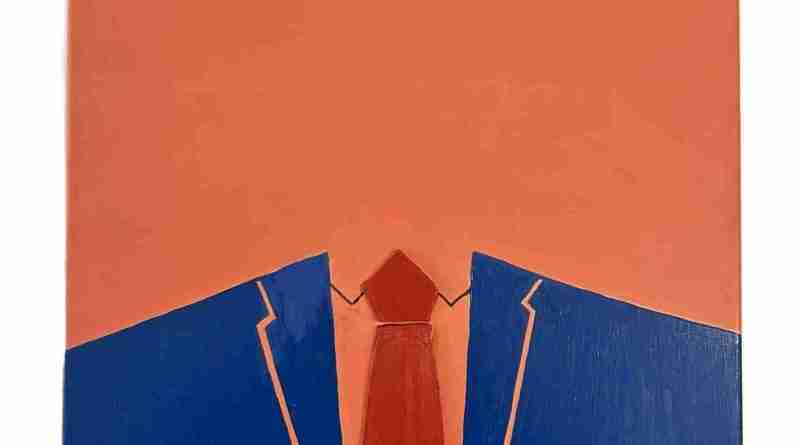 Orange is the Power Painting - cm 40 x 40 - Acrylic and Oil on Canvas
 A satirical portrait in bronzer-orange, where ego, costume, and empty slogans replace identity. Then I made it… ahahah. I love
Read More Michael Asher — Installation of aluminum studs
 Institutional Critique: When Art Bites the Hand That Feeds It Table of contents The Museum Is Never Just a Room
Read More Michael Asher
 Michael Asher and the Quiet Power of Institutional Critique A Different Kind of Artist The Museum as Medium The Disappearance
Read More Andrea Fraser during her performance: Museum Highlights: A Gallery Talk (1989)
 The Body as a Site of Power
Read More Hans Haacke - Blue Sail
 Hans Haacke and the Politics of Institutional Critique A Shift from Systems to Structures The Museum as a Political Entity
Read More Marcel Broodthaers — Industrial Poems
 Marcel Broodthaers and the Fictional Museum That Exposed the Art World Table of contents From Poet to Artist, or the
Read More Fred Wilson — The Mete of the Muse
 From Inclusion to Exposure Fred Wilson didn’t add new works to the museum. He didn’t arrive with canvases or sculptures
Read More