Valerio Berruti: Udaka, or Drawing Before It Becomes Memory
Valerio Berruti: Udaka, or Drawing Before It Becomes Memory
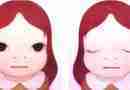
There is a moment in Valerio Berruti’s work when childhood stops being an image and becomes a threshold. Udaka, whose title means mud in Zulu, belongs precisely to that space. It is not only a video animation. It is a work made of earth, repetition, drawing, time and return. The animation is built from 350 drawings on paper, each made using earth gathered at the Nirox Foundation in Johannesburg, South Africa. That detail matters. The material is not neutral. It does not simply give the work a texture or a warmer tone. It anchors the image to a place, to a ground, to a landscape that enters the work physically before it becomes narrative. In Berruti’s practice, drawing is never only drawing. It often behaves like a fragile form of cinema, as if the line were trying to remember movement before movement fully appears. In Udaka, this process becomes especially clear. The child figure, one of the recurring presences in Berruti’s visual universe, does not act in a conventional story. She appears, moves, returns, almost as if she had been called up from the material itself. This is where Udaka connects to a wider body of work. In my earlier text Valerio Berruti: Modern Master of Neo-Human Tenderness, I described his figures as something more complex than “children”. They are not sentimental icons. They are presences placed before language, before social definition, before the adult world begins to harden the body into identity. That same tension also appears in Valerio Berruti at Fondazione Ferrero: More than Kids, where the child becomes a way to think about memory, community and time. In Udaka, however, the figure is brought back to an even more elementary condition. She is not only drawn. She is made from earth. She seems to belong to a place before belonging to a story. The work also opens onto Berruti’s broader project In Infinity I See You, a series of large-scale land-art interventions conceived to be perceived from above, including through satellite vision and Google Earth. This shift of scale is crucial. Berruti moves from the intimacy of the hand-drawn line to the expanded vision of the planet seen from above. Yet the emotional temperature remains the same: fragile, suspended, human.
Further reading on Valerio Berruti
La giostra di Nina translates Valerio Berruti’s delicate visual language into a sculptural book conceived as a carousel. Its layered paper construction extends the artist’s exploration of childhood, movement and memory beyond the exhibition space, turning the act of reading into a small physical encounter with his imagery.
View La giostra di Nina on Amazon
As an Amazon Associate, I earn from qualifying purchases. The price paid by the reader remains unchanged.