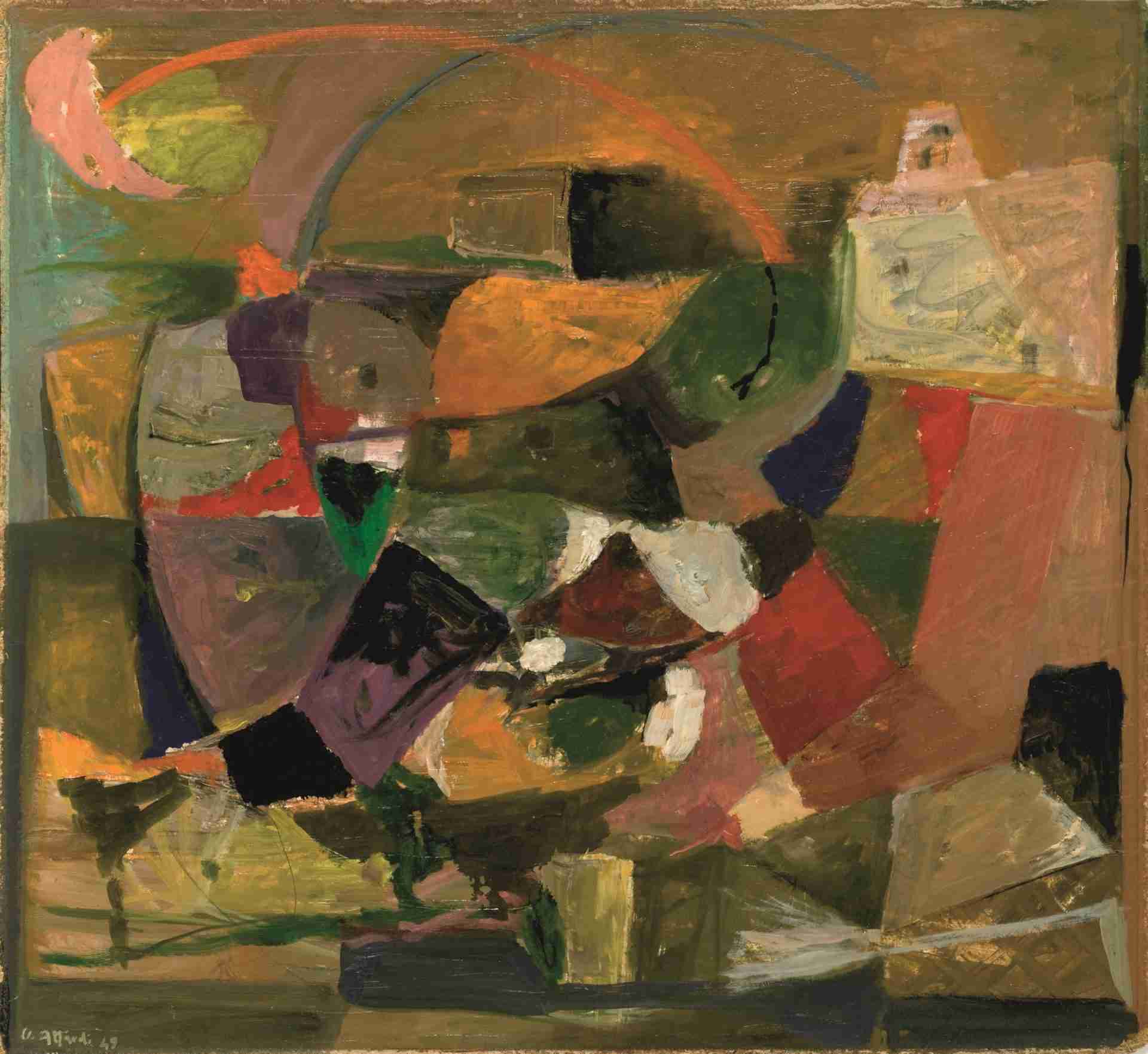
Ugo Attardi: From Forma 1 to Monumental Sculpture and Global Recognition
A Journey from Palermo to Global Acclaim in Art
Ugo Attardi (1923–2006) lived several artistic lives in one body: painter, sculptor, and writer. Yet one thread stays constant. He never treated art as neutral. Instead, he used it to process power, violence, history, and the city. So, even when he changed language—from early abstraction to fierce figuration, and later to monumental sculpture—his work kept the pressure of the century inside its forms.
Early life: roots in Sicily, politics at home
Attardi was born in Sori (Genoa) in 1923, in a family tied to Sicily. Political repression shaped his childhood early. His father worked as a trade unionist, and Fascism punished that commitment. As a result, the family moved to Palermo. There, Attardi absorbed a layered world: street life, folklore, poverty, and baroque drama. Those elements later returned in his narratives and bodies.
Discovering art in Palermo
In Palermo, an uncle introduced him to painting through practice, not theory. Attardi learned by doing. He copied, he observed, and he trained his hand. Meanwhile, the city trained his eye: harsh light, dense architecture, and human theatre in public space. So, even before he embraced modernism, he already had a sense of composition as conflict.
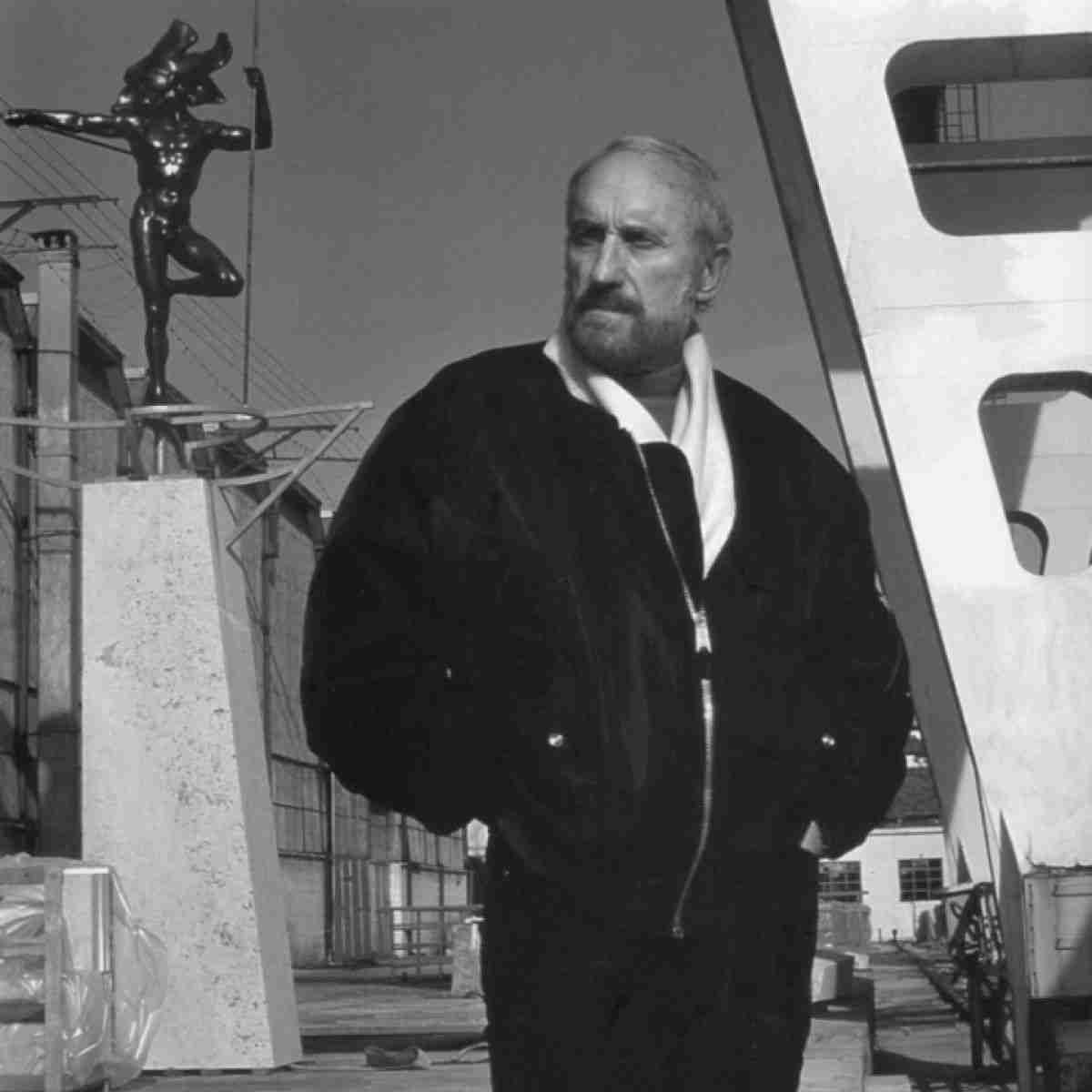
Rome (1945): rebuilding life, finding a circle
In 1945 Attardi moved to Rome. The city functioned like a laboratory: artists debated modernity, ideology, and international languages. He also built friendships that mattered. He met, among others, Pietro Consagra and orbiting figures close to Renato Guttuso. At the same time, he joined the Italian Communist Party. Therefore, his early works do not separate form from history.
Forma 1 (1947): abstraction as a political provocation
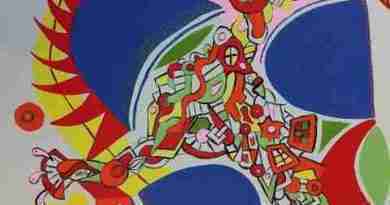
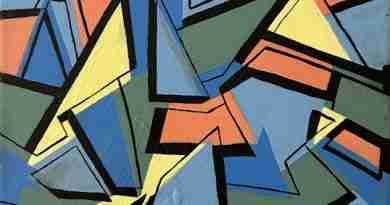
In 1947, Attardi signed the manifesto of Forma 1. Alongside Carla Accardi, Piero Dorazio, Achille Perilli, Antonio Sanfilippo, and others, he defended abstraction as compatible with Marxist ethics. This stance mattered because it collided with the cultural demand for social realism.
Attardi’s participation, however, did not freeze his language. He treated Forma 1 as an intense school. Then he moved on quickly. So, his career becomes a map of post-war contradictions.
1951: the turn to figuration and historical subjects
Around 1951, Attardi returned to figurative painting. He did not “betray” modernism. Instead, he sought a different intensity. He wanted bodies, faces, and events. Moreover, he wanted them with bite. His painting begins to speak with sharper social tension, often through conflict scenes and urban pressure.
Soon after, major institutions took notice. He entered the Venice Biennale in the early 1950s, and he gained visibility inside a broader Italian debate on art’s public role.
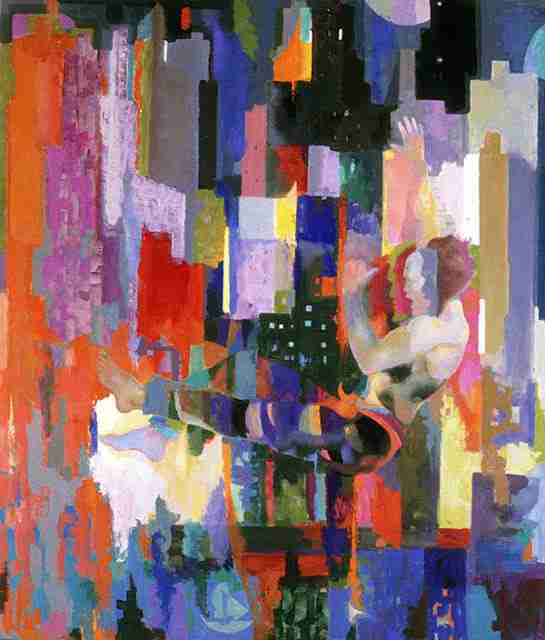
Breaking with the party line, not with politics
Attardi’s relationship with political institutions changed over time. In the mid-1950s, the cultural climate hardened. Meanwhile, international events shook the left. Attardi did not stop thinking politically, but he refused obedience. Therefore, his work gains a more personal brutality. It becomes less “party narrative” and more existential indictment.
“Il pro e il contro” (1961–1964): a collective experiment
In the early 1960s, Attardi co-founded the group “Il pro e il contro.” The goal was not harmony. The goal was debate. He used that space to test positions and to attack cultural comfort. At the same time, his imagery absorbed new references, including the violent distortions of modern expressionism.
Writer as well: the novel and the need for narrative
Attardi also wrote. This matters because it explains his visual temperament. Even when he painted, he thought in scenes. Later, he completed the novel L’erede selvaggio (published in 1970), which gained important recognition. So, his practice becomes a hybrid: image, voice, and history inside one engine.
1968 onward: sculpture, monument, and myth
In 1968, Attardi shifted decisively toward sculpture. He did not abandon painting. Yet sculpture offered scale, weight, and public confrontation. He produced works tied to political icons and historical collisions. Moreover, he built complex groups in wood and bronze, where myth and ideology clash through muscular forms.
One key cycle begins with works connected to Che Guevara, and it expands into ambitious historical groups such as L’arrivo di Pizarro (1968–71). Here, Attardi treats conquest and violence as physical theatre. He makes history feel present, not distant.
Public monuments: Rome and New York
Attardi also left major works in public space. In Rome, Il Vascello della Rivoluzione (1989) stands near the EUR area as a monumental sculptural group tied to the memory of revolution and state narrative. In New York, his bronze Ulysses lives in Battery Park City. That choice is revealing: Ulysses is not only a hero. He is also a mask, a contradiction, and a thirst for knowledge. So, Attardi stages complexity as monument.
Conclusion: why Attardi still hits
Attardi matters because he does not offer comfort. He offers friction. He pushes the viewer to confront power, desire, and violence without moral packaging. At the same time, he proves that an Italian artist can move between abstraction, figuration, literature, and monument without losing coherence. Therefore, his career reads like a compressed history of post-war Italy: hope, conflict, disillusion, and persistence.
Related articles
- Forma 1 Group Manifesto: A Political Art Revolution
- Carla Accardi, Italian Avantgarde
- Pietro Consagra’s Colloquio Definitivo: A Forma 1 Group Masterpiece in Bronze
- Kasimiro Medio and the Essence of Abstraction
- Achille Perilli – Il collasso del carnale
- Antonio Sanfilippo: The Vibrant Pulse of Post-War Italian Art
- Discover the Brilliance of Giulio Turcato: A Master of Abstract Art