From Canvas to Code: How Modern Technology and AI Are Revolutionizing the Art World
Exploring the Intersection of Physical and Virtual Art Through AR, VR, and Generative AI Art has always been a mirror
Read MoreContemporary Art Criticism, Interviews, Essays and Visual Politics
Augmented Reality Art uses digital images, animations, sounds and interactive elements to transform the physical world through smartphones, tablets, smart glasses and other connected devices. Unlike virtual reality, augmented reality does not replace the surrounding environment but adds new visual and informational layers to it.
Artists use AR technology to create works that appear inside museums, public spaces, landscapes and domestic environments. These digital interventions may respond to the viewer’s position, movement or actions, allowing physical and virtual space to coexist within the same artistic experience.
Augmented reality has become an important medium for contemporary artists exploring perception, identity, memory, architecture, surveillance and the increasing mediation of everyday life through screens and digital platforms. It can make invisible histories visible, introduce fictional objects into real locations or challenge the authority of museums and monuments.
Because AR artworks often depend on software, devices and external platforms, they also raise questions about accessibility, technological obsolescence, data collection, ownership and the control exercised by technology companies over digital culture.
Explore articles, exhibitions, artists and critical perspectives related to augmented reality, immersive technology, interactive installations and digital art.
 Random International — Rain Room
 Exploring the Intersection of Physical and Virtual Art Through AR, VR, and Generative AI Art has always been a mirror
Read More Digital art collections; technology is changing collecting, access, and preservation
 Digital Art Collections in the Digital Age; Ownership, Access, and Preservation In the swiftly evolving corridors of the art world,
Read More Virtual reality artwork
 The Rise of Virtual Art and Video Game Art in the 21st Century The Integration of Technology and Creativity in
Read More Lucian Freud, Two Irishmen
 Exploring the Fusion of Traditional Art Forms and Cutting-Edge Technology Contemporary art is continuously evolving, mirroring the profound social, political,
Read More The Unreal Garden exhibit in San Francisco
 The Unreal Garden: Is Augmented Reality Making Art Too Easy? The Unreal Garden promises something very simple, and very dangerous:
Read More Augmented Reality Art
 Exploring the Intersection of Art and Technology: The Rise of Augmented Reality Art In the ever-evolving landscape of art and
Read More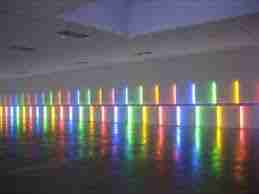 Site-specific art installation
 Exploring Its Origins, Characteristics, and Impact Site-specific art, a movement that gained strong momentum in the late twentieth century, continues
Read More Transvisionism
 Delving into the Concepts, Techniques, and Visionaries Shaping Transvisionism In the ever-evolving landscape of art and technology, a movement has
Read More Sougwen Chung
 Sougwen Chung: visionary artist and researcher Sougwen Chung is an artist and researcher whose work spans drawing, sculpture, installation,
Read More Digital painting, expanding contemporary visual languages
 Contemporary Art and Technology: How Digital Tools Are Transforming Creativity, Immersion, and the Art Market The rapid advancement of technology
Read More