Elvira Banotti Was There at the Birth of Italian Feminism. So Why Was She Forgotten?
While Carla Lonzi is being rediscovered, Banotti forces a more uncomfortable question: what happens to the women who helped found
Read MoreContemporary Art Criticism, Interviews, Essays and Visual Politics
Rivolta Femminile was an Italian feminist collective founded in 1970 by Carla Lonzi, Carla Accardi and Elvira Banotti. Emerging at a crucial moment in the development of second-wave feminism in Italy, the group rejected both patriarchal culture and the idea that women’s liberation should simply mean achieving equality within institutions created by men. Its Manifesto di Rivolta Femminile, published in July 1970, called instead for women’s autonomy, self-definition and a radical reconsideration of politics, sexuality, culture and everyday life.
Closely associated with the thought of Carla Lonzi, Rivolta Femminile developed practices of separatism and autocoscienza, or feminist consciousness-raising, in which personal experience became a form of political knowledge. Its history also intersects significantly with Carla Accardi and the contemporary art world, particularly through Lonzi’s rejection of conventional art criticism and institutional authority. Texts including Sputiamo su Hegel helped make Rivolta Femminile one of the most radical and influential experiences in the history of Italian feminism.
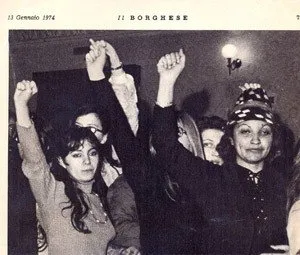
While Carla Lonzi is being rediscovered, Banotti forces a more uncomfortable question: what happens to the women who helped found
Read More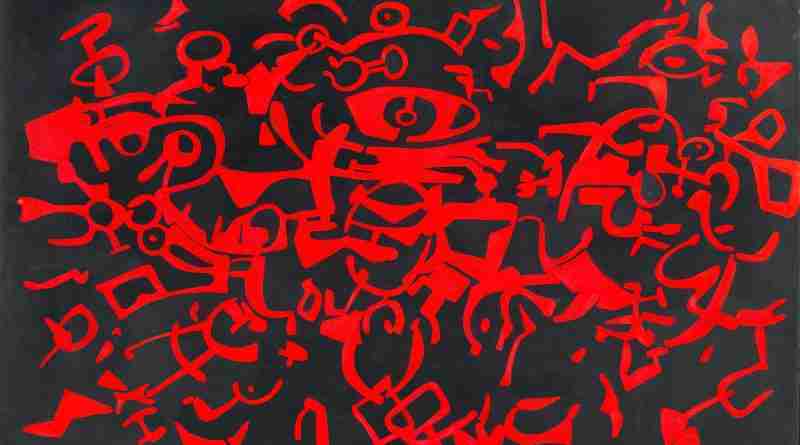 Carla Accardi - Assedio rosso n. 3 1956
 Feminist Art in Italy: Carla Lonzi, Carla Accardi, Elvira Banotti, and a New Politics of Subjectivity Feminism in Italian art
Read More Carla Accardi
 Pioneering postwar abstraction, inventing a sign-language, and turning feminism into a public rupture. Carla Accardi (Trapani, 1924 – Rome, 2014)
Read More