The Art of Displacement: Exploring Mona Hatoum’s Challenging Visual Language
How Mona Hatoum Uses Everyday Objects to Engage Viewers in Conversations on Identity, Politics, and the Body Mona Hatoum, born
Read MoreContemporary Art Criticism, Interviews, Essays and Visual Politics
Start here: Installation Art: History, Artists, and Immersive Environments
Installation Art transforms space into part of the artwork. Instead of placing an isolated object in front of the viewer, an installation can occupy a room, a building, a landscape, or a public site. Architecture, light, sound, objects, images, technology, and the viewer’s body can all become active elements of the work.
This category brings together guides, interviews, artist profiles, and critical essays on immersive, environmental, political, and site-specific installations. It explores how artists change the way we move through a space, notice its history, and understand our position inside it.
Some installations create intense sensory environments. Others use ordinary materials to address conflict, power, memory, displacement, or ecological damage. The scale can be monumental, but size alone does not produce meaning. A work can transform perception through a small room, a temporary intervention, a change in light, or an object placed where it does not belong.
I am interested in what happens when art stops being something we simply look at. Installation Art can surround the viewer, interrupt a public space, respond to a specific landscape, or reveal relationships that a traditional display might keep separate.
These articles examine how installations use space, materials, participation, and duration. They also ask a direct question: does the work merely create an impressive environment, or does it change how we understand the place, issue, or experience it contains?
 Mona Hatoum
 How Mona Hatoum Uses Everyday Objects to Engage Viewers in Conversations on Identity, Politics, and the Body Mona Hatoum, born
Read More Habib Allah
 Exploring the Complexities of Power, Surveillance, and Marginalization in the Work of Shadi Habib Allah Shadi Habib Allah is a
Read More Taysir Batniji
 Taysir Batniji: Capturing the Echoes of Exile and Occupation Taysir Batniji, a prominent Palestinian artist based between Gaza and France,
Read More Isa Genzken — Untitled (2012)
 Shaping Modernity: Isa Genzken’s Eclectic Journey Through Sculpture and Installation Art In the vast and ever-evolving landscape of contemporary art,
Read More Sarah Sze portrait
 Sarah Sze: Blurring the Boundaries of Art with Intricate Installations Sarah Sze (born 1969, Boston) is an American artist known
Read More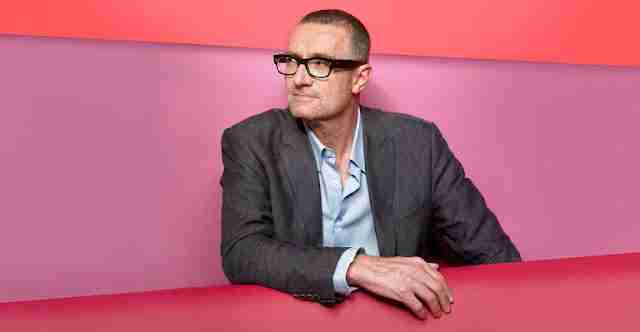 Thomas Hirschhorn
 Transforming Everyday Materials into Socio-Political Commentary Thomas Hirschhorn, born in 1957 in Bern, Switzerland, is a contemporary artist celebrated for
Read More Anish Kapoor — Cloud Gate
 Anish Kapoor and the seduction of the void Anish Kapoor is often described through safe words: monumental, spiritual, metaphysical, immersive.
Read More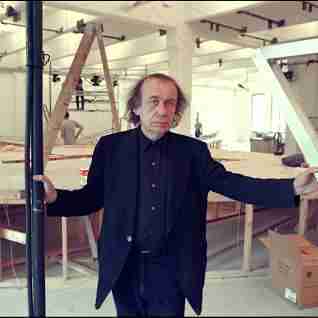 Vito Acconci
 Vito Acconci: Blurring Boundaries in Performance, Installation, and Video Art Vito Acconci was a pioneering artist whose work in performance,
Read More Theaster Gates
 Theaster Gates: Transforming Urban Spaces Through Art and Architecture Theaster Gates is a multifaceted artist whose work transcends traditional boundaries.
Read More
Virtual reality and immersive art are changing the exhibition from something we visit into something we enter. Virtual reality and
Read More