Exploring the Dynamic Spirit of Aboriginal Art
Contemporary Aboriginal Art: A Journey Through Time, Culture, and Expression Contemporary Aboriginal art is a profound form of expression that
Read MoreContemporary Art Criticism, Interviews, Essays and Visual Politics
Aboriginal art encompasses the diverse artistic practices of Aboriginal peoples across Australia. It is not a single style, a fixed visual vocabulary, or a category limited to dots, symbols, and supposedly “traditional” forms. Artists from different Nations and communities work across painting, bark, sculpture, weaving, printmaking, photography, film, installation, and conceptual art, connecting contemporary practice with Country, memory, kinship, cultural knowledge, sovereignty, and lived experience.
This archive examines Australian Aboriginal art as a central part of modern and contemporary art, rather than as decoration, ethnographic evidence, or an isolated cultural tradition. It explores how Aboriginal artists have transformed painting and visual culture while confronting colonial history, dispossession, racial representation, cultural appropriation, land rights, identity, and the continuing relationship between people and Country.
Artists including Emily Kam Kngwarray, Rover Thomas, Gordon Bennett, and Tracey Moffatt demonstrate the range of these practices. Their works cannot be reduced to a single aesthetic category: they move between ancestral knowledge and contemporary experimentation, local cultural responsibilities and international art institutions, personal histories and political critique.
Start with Exploring the Dynamic Spirit of Aboriginal Art, an introduction to major artists, materials, histories, and contemporary developments.
Read also Tracey Moffatt: Narratives of Memory, Identity, and Cultural Dislocation, which examines how photography, film, and constructed images can address colonial history without becoming simple documentary evidence.
Use this tag to explore essays, artist profiles, and critical resources on Australian Aboriginal art, Indigenous cultural authority, Country, colonial history, contemporary painting, photography, political art, and the relationship between artistic innovation and cultural continuity.
 Albert Namatjira — Mount Giles, MacDonnell Ranges, Central Australia
 Contemporary Aboriginal Art: A Journey Through Time, Culture, and Expression Contemporary Aboriginal art is a profound form of expression that
Read More Fiona Foley — Annihilation of the Blacks
 Fiona Foley: The Artist Who Forces Australia to Face Its Colonial Violence Fiona Foley does not make art to decorate
Read More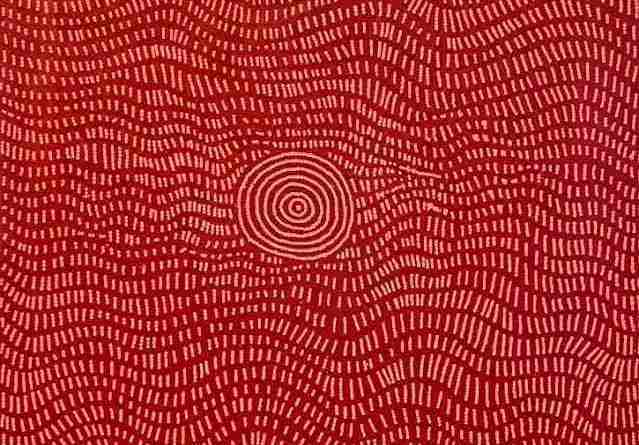 Doreen Reid Nakamarra — Untitled 2
 Doreen Reid Nakamarra: The Pintupi Artist Who Turned Marrapinti, Dreaming, and Country into Hypnotic Power Doreen Reid Nakamarra transformed lines,
Read More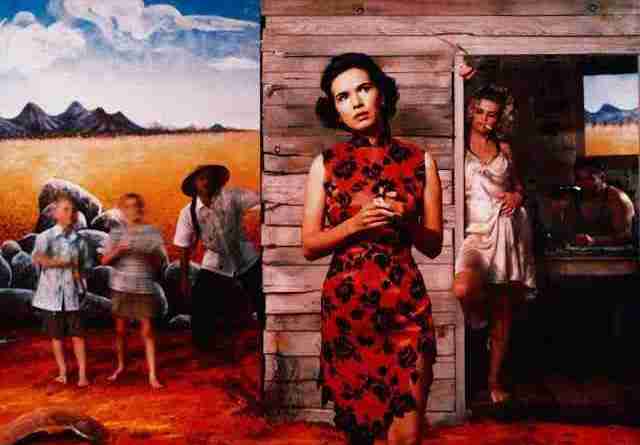 Tracey Moffatt — Something More #1
 Tracey Moffatt transforms photography and film into fragmented narratives of Indigenous memory, race, desire and colonial history.
Read More Gordon Bennett — Home décor
 Gordon Bennett: The Artist Who Turned Australian History into a Crime Scene of Identity, Race, and Power Gordon Bennett did
Read More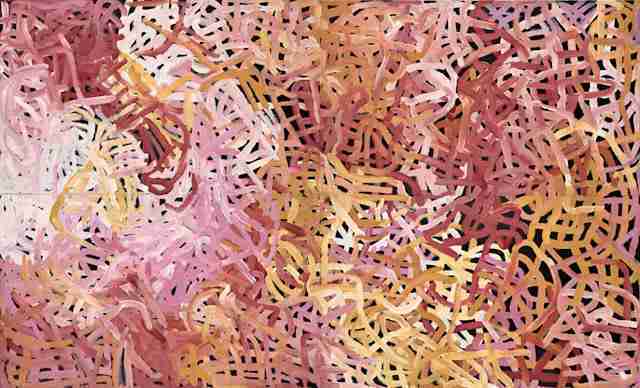 Emily Kame Kngwarreye — Big Yam
 Emily Kame Kngwarreye: The Aboriginal Artist Who Turned Country, Colour, and Dreaming into Modern Power Emily Kame Kngwarreye transformed ancestral
Read More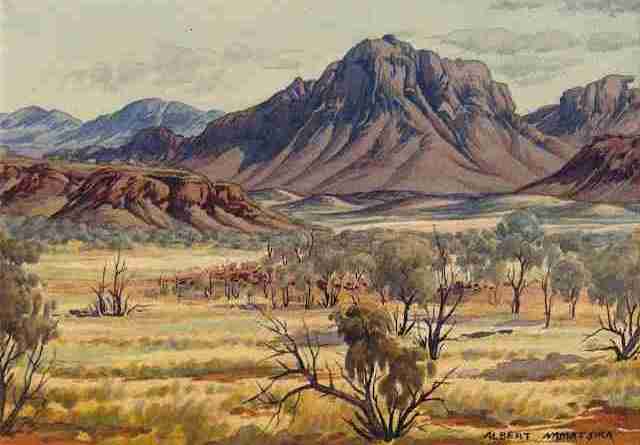 Albert Namatjira — Mount Sonder, MacDonnell Ranges
 Albert Namatjira: The Aboriginal Artist Who Made the Australian Outback Speak in Watercolour Albert Namatjira transformed Central Australia into luminous
Read More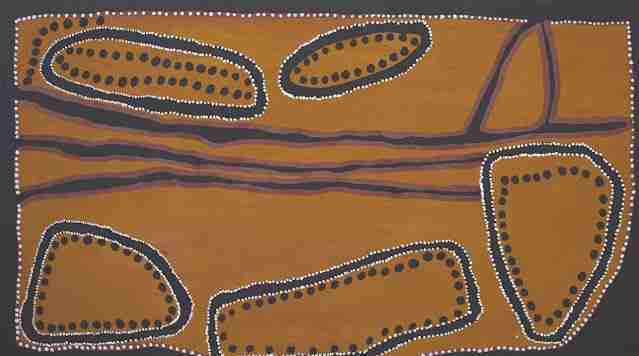
Rover Thomas: The Aboriginal Artist Who Turned the Kimberley into Memory, Ceremony, and Modern Power Rover Thomas transformed ochre, Country,
Read More Clifford Possum Tjapaltjarri — Warlugulong
 Papunya Tula is often introduced through the familiar image of Aboriginal dot painting. That definition is convenient, but inadequate. The
Read More Indigenous Australian Art
 Contemporary Indigenous Australian Art: Resilience, Culture, and Innovation The landscape of Australian art is as vast as the country itself.
Read More