The Evolution and Impact of New Media Art
Redefining Aesthetic and Interactivity In the labyrinth of contemporary art, New Media Art stands out as a testament to the
Read MoreContemporary Art Criticism, Interviews, Essays and Visual Politics
Nam June Paik (Seoul, 1932–Miami Beach, 2006) changed television from a household device into an artistic medium. Experimental music and Fluxus shaped his practice. His work joined video, sculpture, performance, sound and live broadcasts. Paik did not view technology as cold or distant from daily life. He made it playful, physical and open to error. Television sets became robots, musical instruments, Buddhist mirrors and parts of vast electronic landscapes.
This archive gathers articles, exhibitions and critical views on Paik’s work, from TV Buddha and Global Groove to Electronic Superhighway. His collaborations with cellist Charlotte Moorman brought the screen into direct contact with the performing body. His later installations explored how media shape geography, identity and our image of the world. Paik understood that electronic networks could connect people while also flooding them with images. He approached that tension with humour rather than fear. His work anticipated digital culture without simply celebrating technological progress. It asks who controls the signal, who appears on screen and what remains outside the frame.
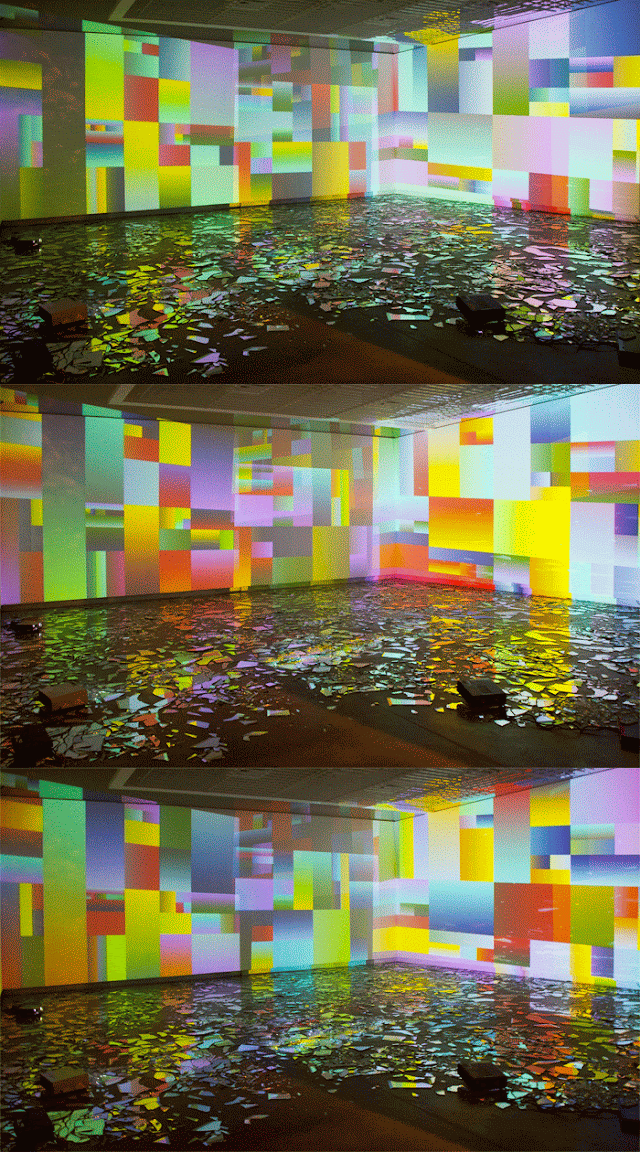 Rafaël Rozendaal - Into Time W Mirrors
 Redefining Aesthetic and Interactivity In the labyrinth of contemporary art, New Media Art stands out as a testament to the
Read More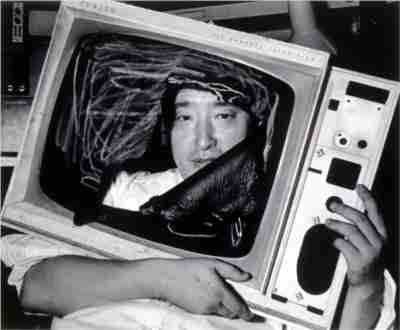 Nam June Paik
 Revolutionizing Media: From Classical Music to the Birth of Video Art Nam June Paik, often celebrated as the “father of
Read More Kenneth Knowlton at Bell Labs
 Kenneth Knowlton: Innovator at the Intersection of Art and Technology In the annals of digital history, certain names shine brightly
Read More Fluxus Art — redefining the boundary between art and life, 1960s avant-garde.
 The 1960s Art Movement that Transformed Performance, Participation, and Everyday Life. Fluxus, an avant-garde art movement that emerged in the
Read More Video art: the moving image as an artwork, not a “clip.”
 Video Art: How Moving Images Rewired Contemporary Art (From Paik to Immersive Installations) Video art didn’t “join” contemporary art politely.
Read More Tony Oursler
 Medialism: When Traditional Media Meets Digital Innovation Hybrid media art and new media installations: how artists blend sculpture, video, interactivity,
Read More Nam June Paik - Electronic Superhighway: Continental U.S., Alaska, Hawaii
 Electronic Art: When Technology Becomes a Medium From Nam June Paik to Refik Anadol: a practical guide to the artists
Read More