Behind the Pistoletto Interview: When Art Becomes a Way of Living
Why the Third Paradise still matters today, but not only as a symbol Before he entered the room Read the
Read MoreContemporary Art Criticism, Interviews, Essays and Visual Politics
Arte Povera was never simply an art movement based on poor materials. It was a radical way of questioning value, power, nature, industrial culture and the museum itself. Emerging in Italy in the late 1960s, Arte Povera brought together artists who used earth, cloth, mirrors, wood, fire, stone, metal, plants and everyday matter to challenge the polished language of modern art.
This archive gathers articles on Arte Povera and its legacy, from the essential ideas of the movement to artists such as Michelangelo Pistoletto and Giuseppe Penone, whose works continue to ask what art can do when it refuses spectacle and returns to matter, time and transformation.
Arte Povera remains important because it did not treat poverty as an aesthetic effect, but as a pressure placed on the system of art: what counts as value, what survives, what resists, and what kind of consequence an artwork can still produce.
“`
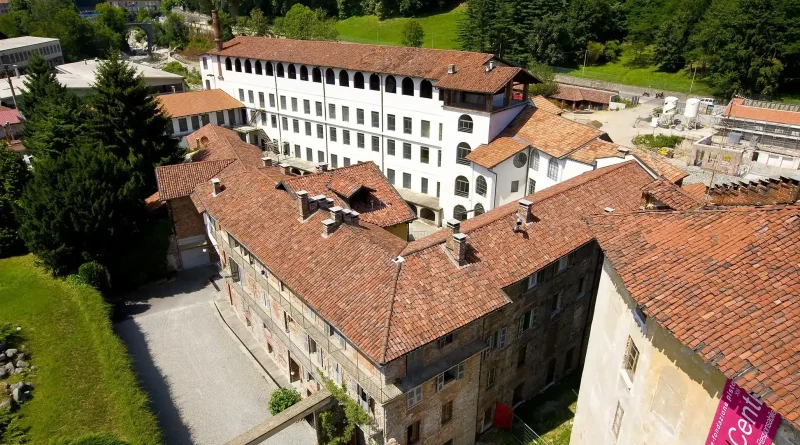 Cittadellarte, Biella, Italy. Photo by Pierluigi Di Pietro.
 Why the Third Paradise still matters today, but not only as a symbol Before he entered the room Read the
Read More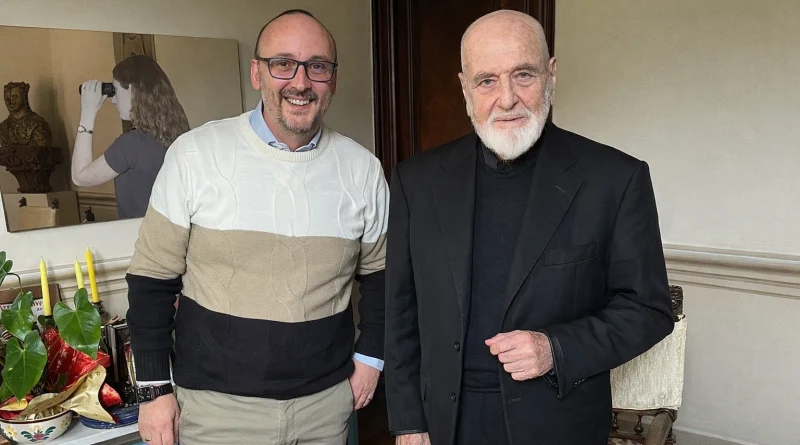 Michelangelo Pistoletto with Antonino La Vela, with a mirror painting in the background.
 On the day of his 93rd birthday, Michelangelo Pistoletto speaks about truth, ego, the Third Paradise and demopraxy, reminding us
Read More Giuseppe Penone — Tree of 12 Metres
 “`html A Place to Contemplate the Infinite If I could lose myself anywhere, it would be within Giuseppe Penone’s enchanted
Read More Conceptual Art
 Conceptual Art; when the idea becomes the artwork Conceptual art, a radical departure from traditional artistic practices, emerged in the
Read More Michelangelo Pistoletto- Mirror Paintings
 Embracing Simplicity: The Richness of Arte Povera Arte Povera is one of the most influential Italian art movements of the
Read More