Arte Povera: Embracing Simplicity and the Richness of Poor Materials
Embracing Simplicity: The Richness of Arte Povera
Arte Povera is one of the most influential Italian art movements of the late 1960s. It emerged during a period of social change, when many artists wanted to break away from traditional studio practice. Instead of precious materials, they chose humble, everyday objects to question the values of the commercial gallery system. In this article we explore the core ideas of Arte Povera and the artists who transformed “poor” materials into radical works.
The expression “Arte Povera”, or “Poor Art”, was coined by Italian art critic Germano Celant in 1967. He used the term to describe a loose group of artists united by their rejection of conventional techniques. Rather than create polished objects for a luxury market, they worked with earth, rocks, clothing, paper and industrial debris. Through these choices they challenged the growing commodification of contemporary art and proposed a closer connection between art and everyday life.
Why 1967 matters
Arte Povera did not begin as a single style. It began as a position: an insistence that materials, energy, time, and everyday life could carry meaning without being turned into luxury objects. In 1967 Celant framed this attitude in writing and exhibitions, and the label quickly became a way to recognize a shared urgency across very different practices.
Key exhibitions that shaped the movement
Two moments are often described as foundational. The first is the 1967 exhibition Arte Povera – Im Spazio in Genoa, which helped define the term and its early constellation. The second is the 1968 gathering and exhibition Arte Povera + Azioni Povere in Amalfi, which expanded the idea into actions, environments, and temporary gestures that blurred the line between art object and lived experience.
These events matter because they show Arte Povera as a field of experiments rather than a neat brand. The movement’s identity formed through encounters, installations, and decisions about what could count as a work, and what could count as a material.

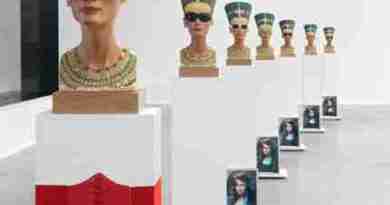
Among the central figures of Arte Povera is Michelangelo Pistoletto. His mirror paintings combine reflective surfaces with painted figures. As a result, viewers see themselves inside the work and become part of the scene. This simple strategy breaks down the barrier between artwork and spectator and brings daily life directly into the picture plane.
Another key artist is Alighiero Boetti. He often used everyday materials such as stamps, biro pens and fabrics to build complex systems. Through these works he explored ideas of duality, chance, authorship and collaboration. His embroidered world maps and word-based pieces show how a “poor” material vocabulary can support rich conceptual structures.
Giovanni Anselmo focused on energy, time and natural processes. In one of his most famous works, a head of lettuce is trapped between two granite blocks, held in place by a metal wire. The piece depends on the slow decay of the lettuce and the invisible forces at work inside organic matter. In this way Anselmo turns a very simple set-up into a meditation on gravity, growth and mortality.
Jannis Kounellis, on the other hand, brought live horses, fire and plants into the gallery. By doing so, he transformed the neutral white cube into a charged environment that evoked ancient rituals and basic survival needs. His installations blurred the line between performance and sculpture and forced viewers to confront smell, noise and risk inside an art space.
Luciano Fabro combined crafted and natural materials to reflect on Italian cultural history. He often referenced Renaissance art and classical forms, yet used silk, steel and glass to anchor his works in the present. Through these contrasts he highlighted the tension between tradition and innovation in postwar Italy.
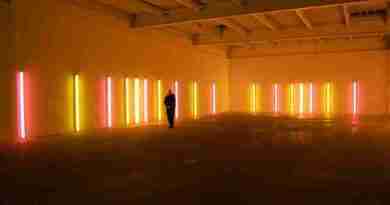
Mario Merz is easily recognised by his igloo structures, neon numbers and recurring Fibonacci sequences. He linked mathematical order with organic forms, suggesting that both nature and human culture follow similar patterns. His installations, often built from glass, clay, branches or metal, show how Arte Povera could connect scientific ideas with primal shelter and survival.
Giulio Paolini approached Arte Povera from a more conceptual angle. He investigated the very act of making and viewing art, quoting art history and exposing frames, pedestals and studio tools. In many works he presents the artist as a mediator between past and future images rather than a heroic creator.
Pino Pascali, who died tragically young, brought humour and play into the movement. He crafted fake weapons, tanks and landscapes from scrap materials and industrial products. These works appear light and playful at first glance, yet they quietly criticise modern society’s fascination with war and its growing distance from the natural world.
Other artists often included in Arte Povera
Although Arte Povera is often introduced through a core set of names, the movement is frequently discussed as a broader constellation. Artists such as Marisa Merz, Giuseppe Penone, Gilberto Zorio, Pier Paolo Calzolari, and Gianni Piacentino are commonly associated with Arte Povera because their works share the same attention to raw materials, transformation, and the physical conditions of experience.
Materials were not neutral
What looks “poor” in Arte Povera is rarely simple. Earth, stone, metal, cloth, glass, wax, felt, plants, and industrial remnants are treated as active agents. These materials bend, decay, oxidize, warm, cool, stain, and resist. The work often unfolds over time, which makes viewing less about instant recognition and more about attention, duration, and consequences.
Overall, Arte Povera had a powerful impact on contemporary art. It encouraged artists to treat materials as living agents, full of energy and meaning. It also questioned the art market and its obsession with rarity and perfection. Today its legacy is visible in ecological art, installation, performance and many forms of socially engaged practice. Whenever artists use simple materials to ask complex questions about nature, power and capitalism, the spirit of Arte Povera is still at work.
Ultimately, Arte Povera is not just a chapter in Italian art history. It remains a vivid example of how creativity can transform our relationship with objects, spaces and communities. By embracing apparent poverty, the movement revealed a different kind of richness; one based on ideas, experience and critical awareness.

Embracing Simplicity: The Richness of Arte Povera
Arte Povera is one of the most influential Italian art movements of the late 1960s. It emerged during a period of social change, when many artists wanted to break away from traditional studio practice. Instead of precious materials, they chose humble, everyday objects to question the values of the commercial gallery system. In this article we explore the core ideas of Arte Povera and the artists who transformed “poor” materials into radical works.
The expression “Arte Povera”, or “Poor Art”, was coined by Italian art critic Germano Celant in 1967. He used the term to describe a loose group of artists united by their rejection of conventional techniques. Rather than create polished objects for a luxury market, they worked with earth, rocks, clothing, paper and industrial debris. Through these choices they challenged the growing commodification of contemporary art and proposed a closer connection between art and everyday life.
The main artists of Arte Povera
Arte Povera is often introduced through a core constellation of artists. Their approaches differ, but they share a refusal of polished commodity objects and a commitment to materials, time, and lived experience as the real content of the work.
- Michelangelo Pistoletto is one of the central figures of Arte Povera. His mirror paintings combine reflective surfaces with painted figures. As a result, viewers see themselves inside the work and become part of the scene. This simple strategy breaks down the barrier between artwork and spectator and brings daily life directly into the picture plane.
- Alighiero Boetti often used everyday materials such as stamps, biro pens and fabrics to build complex systems. Through these works he explored ideas of duality, chance, authorship and collaboration. His embroidered world maps and word based pieces show how a “poor” material vocabulary can support rich conceptual structures.
- Giovanni Anselmo focused on energy, time and natural processes. In one of his most famous works, a head of lettuce is trapped between two granite blocks, held in place by a metal wire. The piece depends on the slow decay of the lettuce and the invisible forces at work inside organic matter. In this way Anselmo turns a very simple set up into a meditation on gravity, growth and mortality.
- Jannis Kounellis, on the other hand, brought live horses, fire and plants into the gallery. By doing so, he transformed the neutral white cube into a charged environment that evoked ancient rituals and basic survival needs. His installations blurred the line between performance and sculpture and forced viewers to confront smell, noise and risk inside an art space.
- Luciano Fabro combined crafted and natural materials to reflect on Italian cultural history. He often referenced Renaissance art and classical forms, yet used silk, steel and glass to anchor his works in the present. Through these contrasts he highlighted the tension between tradition and innovation in postwar Italy.
- Mario Merz is easily recognised by his igloo structures, neon numbers and recurring Fibonacci sequences. He linked mathematical order with organic forms, suggesting that both nature and human culture follow similar patterns. His installations, often built from glass, clay, branches or metal, show how Arte Povera could connect scientific ideas with primal shelter and survival.
- Marisa Merz expanded the language of Arte Povera through an intimate, non monumental vocabulary. Her practice is often associated with fragile, hand made materials and a sense of domestic time, where art can feel like an ongoing state rather than a finished object.
- Giulio Paolini approached Arte Povera from a more conceptual angle. He investigated the very act of making and viewing art, quoting art history and exposing frames, pedestals and studio tools. In many works he presents the artist as a mediator between past and future images rather than a heroic creator.
- Pino Pascali, who died tragically young, brought humour and play into the movement. He crafted fake weapons, tanks and landscapes from scrap materials and industrial products. These works appear light and playful at first glance, yet they quietly criticise modern society’s fascination with war and its growing distance from the natural world.
- Giuseppe Penone explored the body, growth, and the slow intelligence of nature. Trees, skin, breath, and pressure become ways to measure time, and to show how the human leaves traces inside the living world.
- Gilberto Zorio pushed Arte Povera toward chemical and energetic transformation. Materials do not simply sit there. They react, oxidize, heat up, and change state, turning the artwork into a field of tension and metamorphosis.
- Emilio Prini is often linked to Arte Povera through works that test perception, documentation, and the status of the art gesture. The result can be deliberately elusive, as if the work refuses to become a stable product.
- Pier Paolo Calzolari is frequently associated with Arte Povera for an aesthetic of fragility and atmosphere, where materials can suggest temperature, frost, burn, and chemical presence, and where the work feels like an event rather than an object.
- Gianni Piacentino is often connected to Arte Povera through a language of precision and speed, where industrial references and crafted surfaces challenge the idea that “poor” must mean rough or unskilled.

Why “poor” materials were never simple
Arte Povera encouraged artists to treat materials as living agents, full of energy and meaning. Earth, stone, metal, cloth, glass, wax, felt, plants, and industrial remnants are treated as active presences. They bend, decay, oxidize, stain, and resist. The work often unfolds over time, which makes viewing less about instant recognition and more about attention, duration, and consequences.
Overall, Arte Povera had a powerful impact on contemporary art. It also questioned the art market and its obsession with rarity and perfection. Today its legacy is visible in ecological art, installation, performance and many forms of socially engaged practice. Whenever artists use simple materials to ask complex questions about nature, power and capitalism, the spirit of Arte Povera is still at work.
Ultimately, Arte Povera is not just a chapter in Italian art history. It remains a vivid example of how creativity can transform our relationship with objects, spaces and communities. By embracing apparent poverty, the movement revealed a different kind of richness; one based on ideas, experience and critical awareness.
Further reading on Arte Povera
Edited by Carolyn Christov-Bakargiev,
Arte Povera: 300 millions d’années offers a broad reconsideration
of the movement beyond the familiar idea of “poor materials.” Through
historical documents, critical essays and extensive visual material, the
volume explores how Arte Povera connected matter, energy, nature, time and
human experience while challenging the industrial and commercial logic of
postwar art.
View Arte Povera: 300 millions d’années on Amazon
As an Amazon Associate, I earn from qualifying purchases. The price paid by the reader remains unchanged.