They Spent £85,000 to Erase a Banksy. But Who Gets to Decide What Art Survives?
When an Illegal Artwork Becomes Part of the History of the Wall Britain has spent more than £85,000 dealing with
Read MoreContemporary Art Criticism, Interviews, Essays and Visual Politics
Political Art examines how artists respond to power, war, propaganda, censorship, inequality, colonialism, and social conflict. This category collects essays, interviews, exhibition reviews, and case studies on art that enters public debate rather than remaining safely inside the museum.
Political art can expose violence, preserve suppressed memories, challenge official narratives, or give visibility to people excluded from cultural representation. However, a political subject does not automatically produce a meaningful artwork. Protest can become spectacle. Radical language can become institutional decoration. Museums can display dissent while leaving their own structures untouched.
I am interested in the space between political intention and actual consequence. Who is allowed to speak? Who controls the image? What happens when activism enters a gallery, a biennial, or the art market? Does the work create pressure, risk, and public responsibility, or does it simply offer the audience a reassuring position?
The articles in this category move across different countries, conflicts, and artistic practices. They include performance, installation, photography, painting, public interventions, and direct actions. Some works confront governments and institutions. Others reveal how political power operates through bodies, borders, gender, language, technology, and cultural memory.
Political Art is not treated here as a style or a moral label. It is a field of conflict in which images compete for attention, authority, and the power to shape what can be seen, remembered, or ignored.
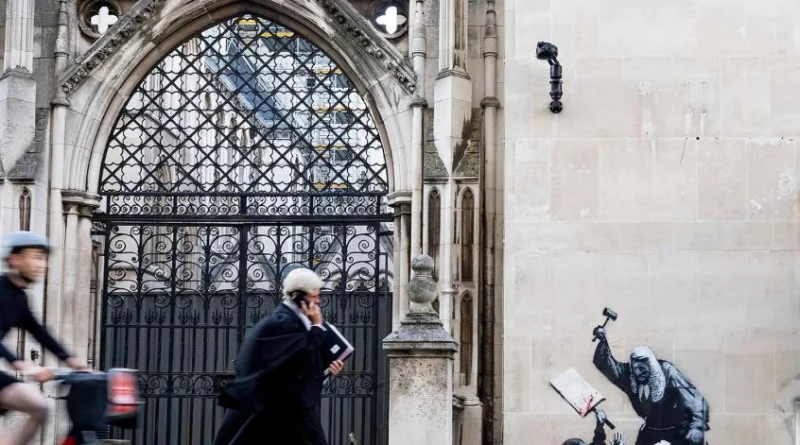 Banksy’s mural with the Royal Courts of Justice visible in the background, London, 2026. The setting is integral to the work, placing Banksy’s intervention in direct dialogue with the physical and symbolic architecture of British justice. Photo: ARTnews Japan.
 When an Illegal Artwork Becomes Part of the History of the Wall Britain has spent more than £85,000 dealing with
Read More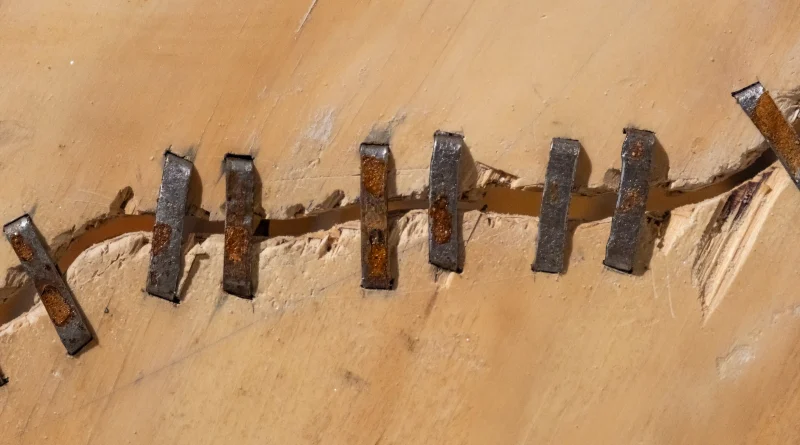 Photos by Gregorio Díaz. Courtesy of the Bogotá Museum of Modern Art - MAMBO
 Kader Attia does not repair the wound to make it disappear. He keeps the scar visible because history is not
Read More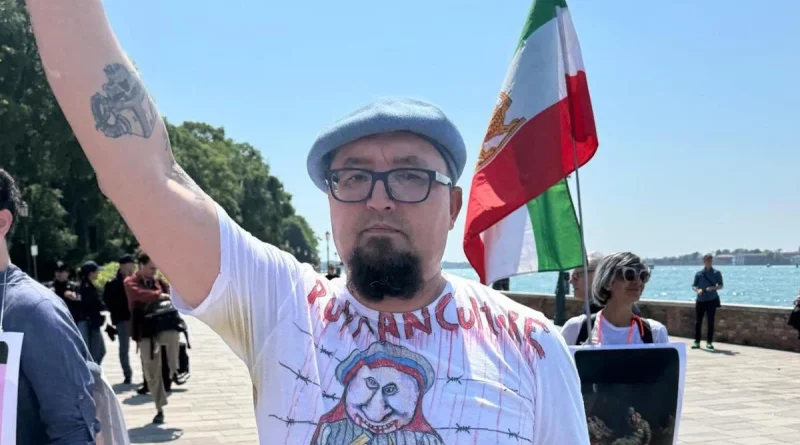 Semyon Skrepetsky at Biennale. Ph ANSA
 Three encounters with three forms of Russian dissent: Semyon Skrepetsky outside the Giardini, Pussy Riot in front of the Russian
Read More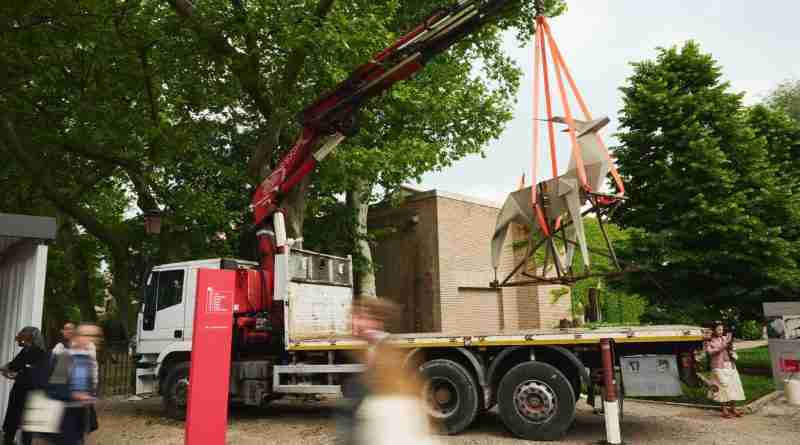 Valentyna Rostovikova, Ukrainian Pavilion
 A sculpture against diplomatic illusions. With Security Guarantees, the Ukrainian Pavilion at the 2026 Venice Biennale does not seek to
Read More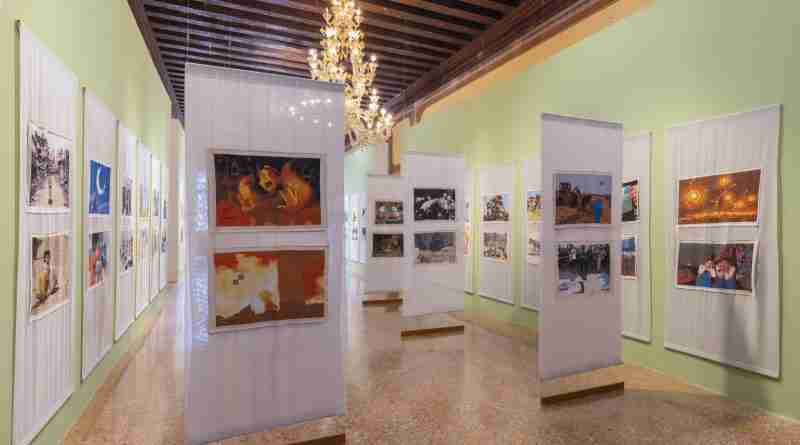 Palestin Pavilion - Photo credits: Federico Vespignani, Celestia Studio.
 “ – – – – – – – – – “* *Gaza – No Words – See the Exhibit Amid
Read More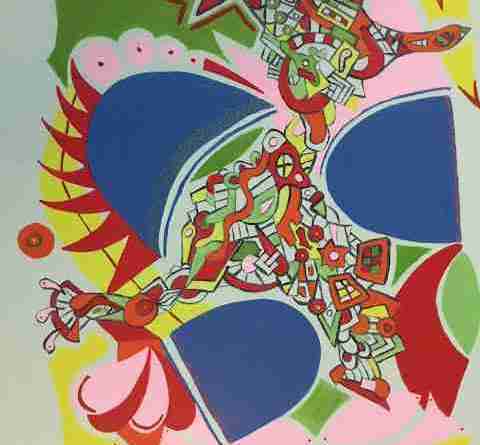 Antonino La Vela - The Chinese Dog
 Rethinking Animal Ethics In painting The Chinese Dog, my intention was to create a visual manifesto. It was a bold
Read More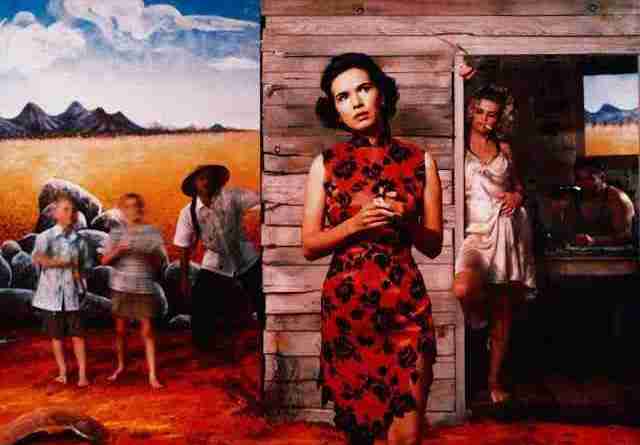 Tracey Moffatt — Something More #1
 Tracey Moffatt transforms photography and film into fragmented narratives of Indigenous memory, race, desire and colonial history.
Read More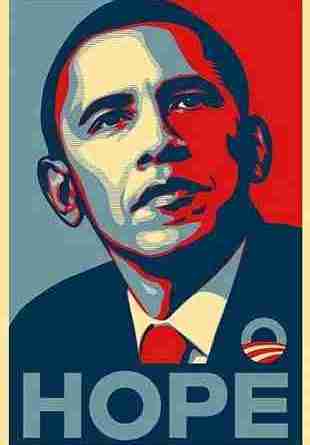 Shepard Fairey — Obama Hope
 Exploring Shepard Fairey: The Intersection of Street Art, Activism, and Provocation Shepard Fairey, an American street artist, graphic designer, and
Read More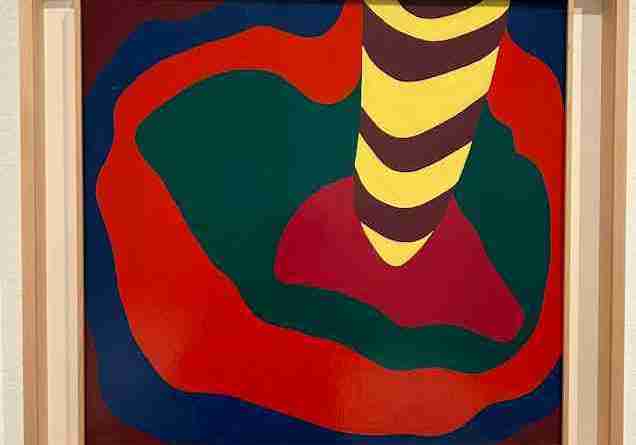 Mari Chordà - Coitus Pop 1967
 Mari Chordà, Patrick Angus, Miriam Cahn, and More: Celebrating Art that Challenges, Empowers, and Inspires Art has long been a
Read More
From Paint to Protest: How Contemporary Art Amplifies Marginalized Voices and Confronts Injustice Art has long been a tool for
Read More