Angelo Orazio Pregoni at the Venice Biennale 2026: NATURA VIVA Against the Finished Image
At the Venice Biennale, Angelo Orazio Pregoni will spend ten days turning a monumental canvas into a public measure of illness, care and historical memory.
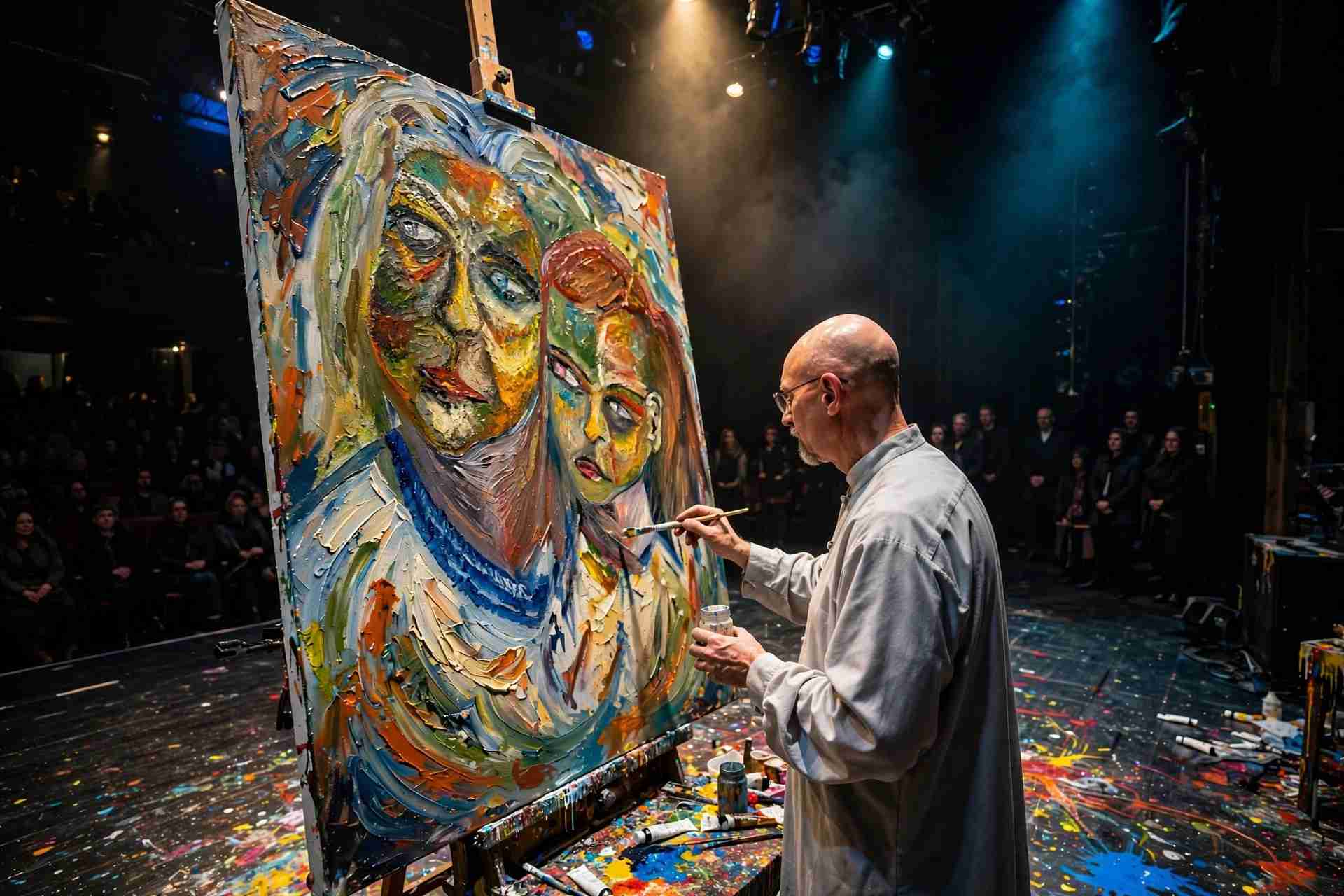
A blank canvas is usually the part the public is spared. By the time a painting reaches an exhibition, hesitation has been cleaned away, revisions have hardened into composition and time has been disguised as surface. Angelo Orazio Pregoni reverses that order in NATURA VIVA: il malato e il ‘secolo breve’. From 27 August to 6 September 2026, at the National Pavilion of the United Republic of Tanzania in Venice, the public will meet the work before its form has settled.
Pregoni will spend ten consecutive days working on a three-by-two-metre canvas at the Gervasuti Foundation at Supernova. On paper, the setup could sound almost embarrassingly traditional: artist, brush, large canvas, spectators. Yet the live format is not a demonstration of virtuosity. It is the machinery of the work. Illness and recovery unfold through intervals, setbacks, waiting and adjustment; a completed image can only report them afterwards. Here the delays enter the painting as they happen.
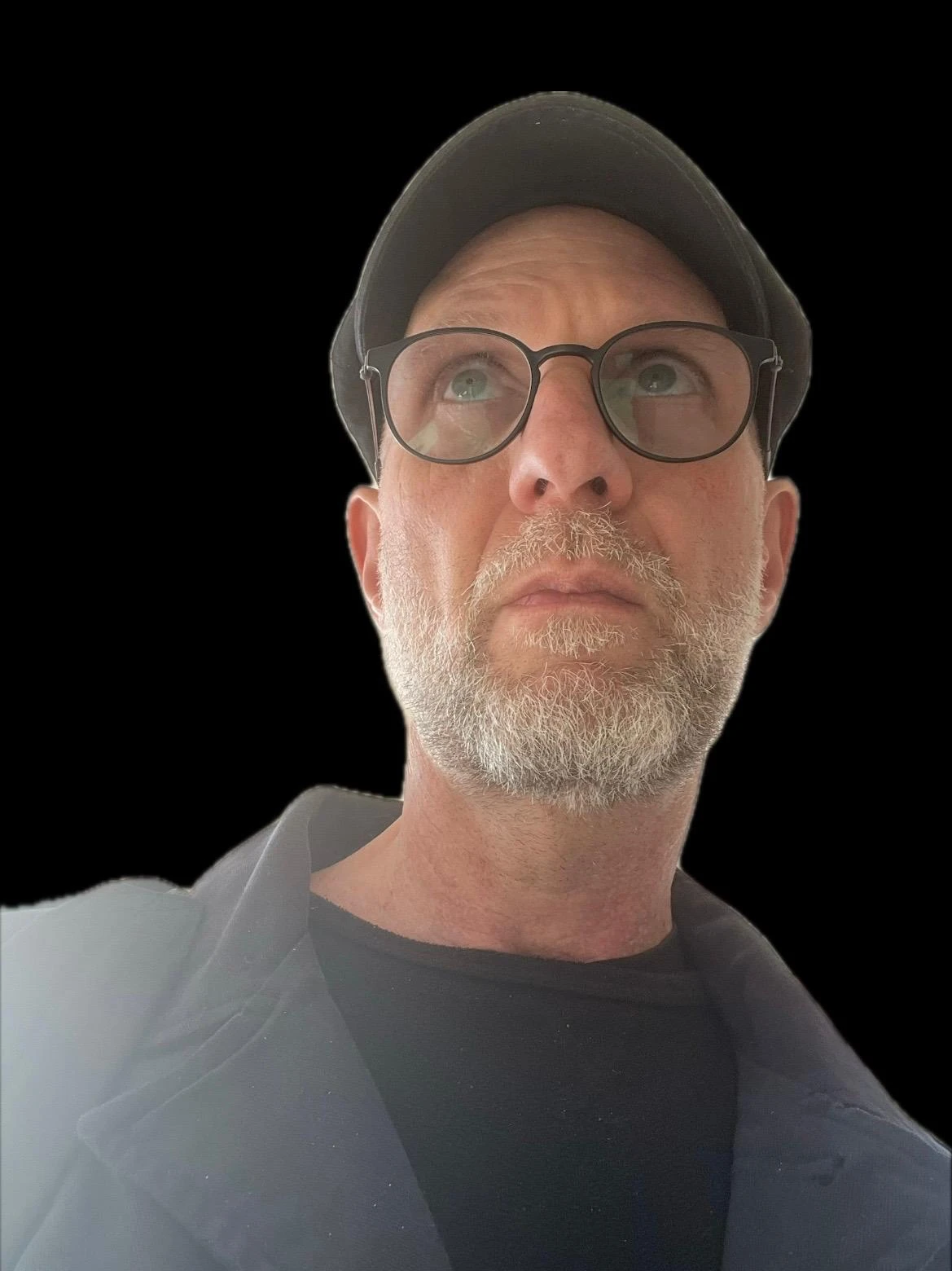
The studio has moved to the Biennale and lost its door.
Every addition changes what visitors thought they had seen, and every solution remains vulnerable to the following day. Those who return will not meet the same painting twice. Those who come once will take away a fragment, which may be the more honest way to experience both an exhibition and a life.
At the centre of NATURA VIVA is a patient, a figure Pregoni refuses to flatten into diagnosis.
Scientific knowledge, care and social relations surround the body. Art about illness has two bad habits: it turns the patient into an emblem of suffering or casts them as an inspirational survivor. Both are flattering forms of reduction. Fragility is present, but it does not swallow the person. Care appears as work rather than miracle.
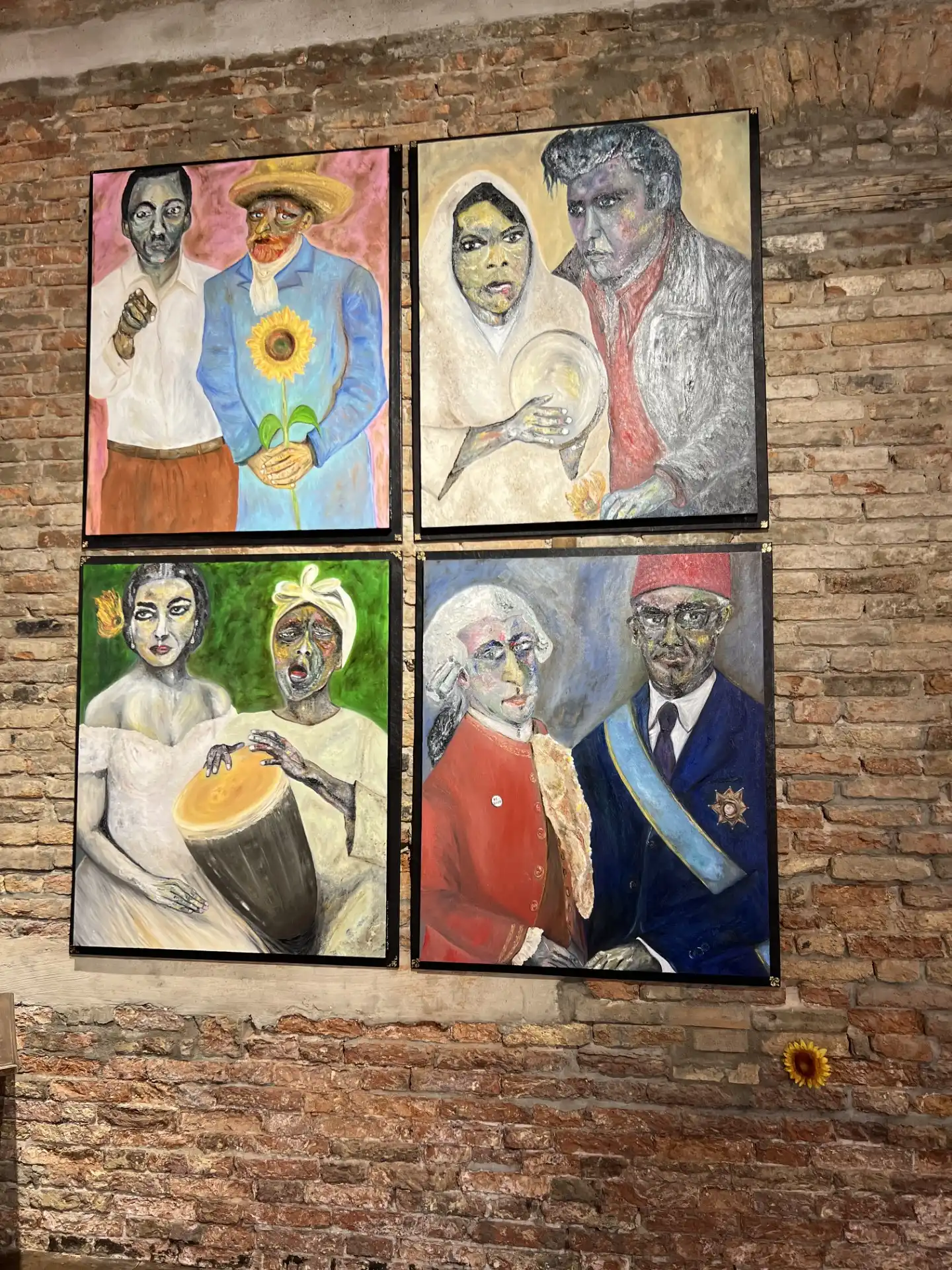
Then comes the crowd: Charlie Chaplin, David Bowie, Frida Kahlo, Audrey Hepburn, Salvador Dalí and Diana, Princess of Wales.
A dangerous guest list.
Each arrives worn smooth by reproduction, celebrity and sentiment. Their faces are so familiar that recognition can replace looking. Pregoni wants them to carry the unfinished business of the twentieth century, but the painting will have to wrest them back from nostalgia first.
Eric Hobsbawm’s ‘short twentieth century’ sits behind the project. The famous dead do more than illustrate a history lesson; they expose how quickly catastrophe and achievement become harmless cultural material. Memory keeps history available, but it can also make it comfortable. Without that ambiguity, the cast would be little more than a parade of icons.
Expressionism is Pregoni’s proposed escape route. He uses distortion to put conflict back into faces smoothed by repetition. Working in public makes the wager harder. Colour, scale, erasure and fatigue have to carry the argument; wall text cannot rescue a weak image.
The Biennale is not famous for patience.
Visitors move from pavilion to pavilion, often photographing works before they have fully looked at them. Pregoni offers an image that is not ready for circulation. On day three it will still be incomplete; on day seven it may contradict day three. The shutter closes, but the work keeps changing.
Painting, of course, has survived.
That was never the interesting question. What can it still do here? Live painting looks almost anachronistic because it exposes what a finished canvas usually hides: correction, fatigue, hesitation, failure. Pregoni is not using slowness as nostalgia. The slow formation of the image is the event.
Calling NATURA VIVA a performance leaves the canvas unexplained; calling it a painting ignores the ten days in public. The work needs both. The action will leave photographs, video and memories, along with a canvas marked by decisions made in public. It cannot preserve the event intact. Nothing could. It can preserve consequence: what time, revision and the presence of spectators did to the surface.
Support comes from BeOne, and the project grew partly from a reflection on chronic lymphocytic leukaemia, whose treatment has changed significantly through scientific research. Its medical origin gives Pregoni a subject and a danger. Progress can become a very tidy story, with the patient reduced to proof that treatment works. Painting can then become illustration, and care a corporate tale of resilience. NATURA VIVA is more convincing when it asks what treatment returns beyond a clinical result: time, identity, relationships, the possibility of imagining a future. Clinical language may classify these as secondary. A life does not.
Ujamaa enters through the Tanzanian pavilion.
Pregoni connects the shared, public method of the work to a concept associated with familyhood, solidarity and collective responsibility. The word cannot be left to function as decoration. Once a project invokes collective care, it must ask who receives it, who provides it and which bodies become visible only when they fall ill.
Live painting can easily become theatre: the public watches an artist work and mistakes access for participation. Pregoni cannot settle for that. The ten days must alter the final image; otherwise the performance is only an attractive prelude. The canvas should keep its revisions, hesitations and encounters instead of covering them over. It will not commemorate the event. It will have been changed by it.
At a Biennale crowded with finished statements, there is something pointed about a work that begins by admitting it is not there yet.
Do not wait for the last day.
If you’re in Venice between 27 August and 6 September, see NATURA VIVA while the result is still uncertain. Better still, return. One visit catches the painting in a single state. The second shows what time, fatigue and other spectators have done to it. Major exhibitions rarely let an audience arrive before anyone knows how the artwork will end.
NATURA VIVA: il malato e il ‘secolo breve’
Angelo Orazio Pregoni
27 August–6 September 2026
National Pavilion of the United Republic of Tanzania
Gervasuti Foundation at Supernova, Fondamenta della Sensa, Cannaregio 3218/A, Venice